10 of the Best Company Cars to Buy in 2026
28th Sep 2026
By Edward Cook

Two cars can cost exactly the same to buy, yet land in completely different company car tax bands. The reason almost always comes down to one thing: how much CO₂ comes out of the exhaust. That gap is why fleet lists now lean so heavily toward hybrid and electric cars.
Some company cars now plug in mainly for hybrid backup. Others run on stored charge alone. The Audi A6 e-tron manages more than 400 miles between charges, while the BMW i3 goes further still, among the longest-range electric cars sold in the UK today. Even the plug-in hybrids here now cover far more of a daily commute on electric power than they did five years ago.
None of that matters if the car itself feels dull behind the wheel. Tax bands and range figures get you into the car; the acceleration is what makes you glad you're in it. Overtaking, joining a motorway, pulling away from a roundabout: an electric motor simply feels quicker than a turbocharged engine, and most drivers notice it within the first mile.
A modern company car still needs to look the part outside a client's office, no matter what powertrain sits under the bonnet. The ten cars on this list cover saloons, SUVs and everything else most business drivers could reasonably need, from the everyday default to some rather more unexpected choices.
- BMW 3 Series
- Mercedes-Benz E-Class
- Audi A6 e-tron
- BMW i3
- Mercedes-Benz EQE
- Porsche Taycan
- Range Rover Evoque
- MINI Countryman Electric
- Tesla Model 3
- Lotus Eletre
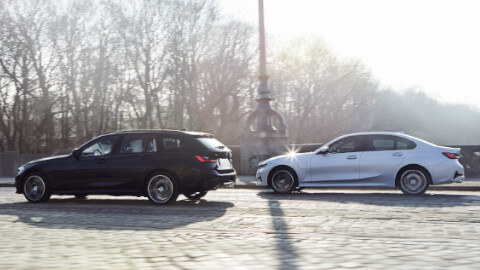
BMW 3 Series
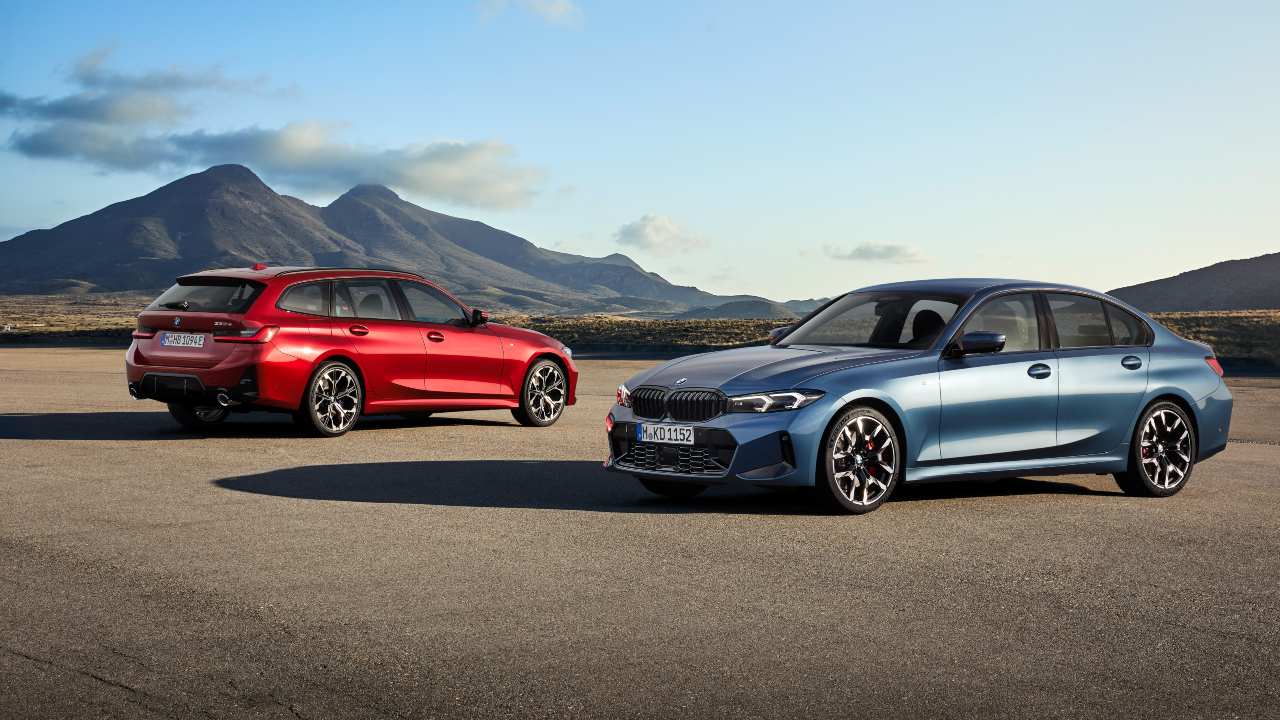
The BMW 3 Series has been the reflex answer to 'what should I get as my company car' for the better part of three decades, and the 330e keeps that reputation firmly intact. A 2.0-litre turbocharged petrol engine works alongside an electric motor for a combined 295bhp and 332lb ft, enough for 0 to 62mph in 5.9 seconds.
Rear-wheel drive and a smooth eight-speed automatic gearbox keep the driving experience sharp, which explains why drivers have stayed loyal for so long. Inside, BMW's curved display dominates the dashboard. The 330e's hybrid battery sits beneath the boot floor, yet boot space and the rear seats have lost nothing to it.
As a plug-in hybrid, the 330e sits in a lower company car tax band than the equivalent petrol-only model.
Search BMW 3 SeriesMercedes-Benz E-Class
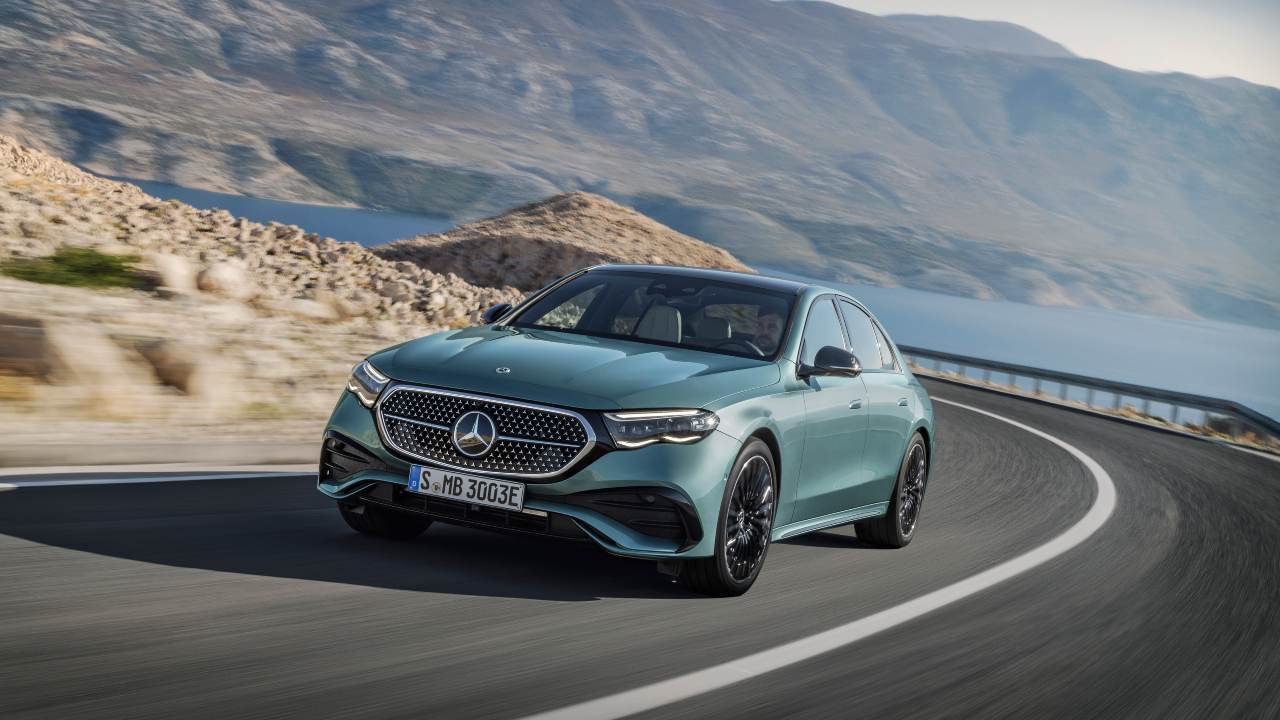
The Mercedes-Benz E-Class sits a class above the 3 Series, and comfort is its calling card. Adaptive suspension does much of the work, smoothing out the sort of motorway miles that make up a typical week for an executive driver.
The E 300e runs a turbocharged petrol engine alongside an electric motor. Put your foot down on a motorway slip road and the two work together seamlessly. The cabin leans further into technology than most rivals, right down to an optional second screen hidden behind glass until you switch it on. None of this feels like showing off. It feels like Mercedes-Benz simply doing what Mercedes-Benz does best.
Generations of company car drivers have gravitated towards the E-Class, and the plug-in hybrid version gives them one more reason to keep doing so.
Search Mercedes-Benz E-ClassAudi A6 e-tron
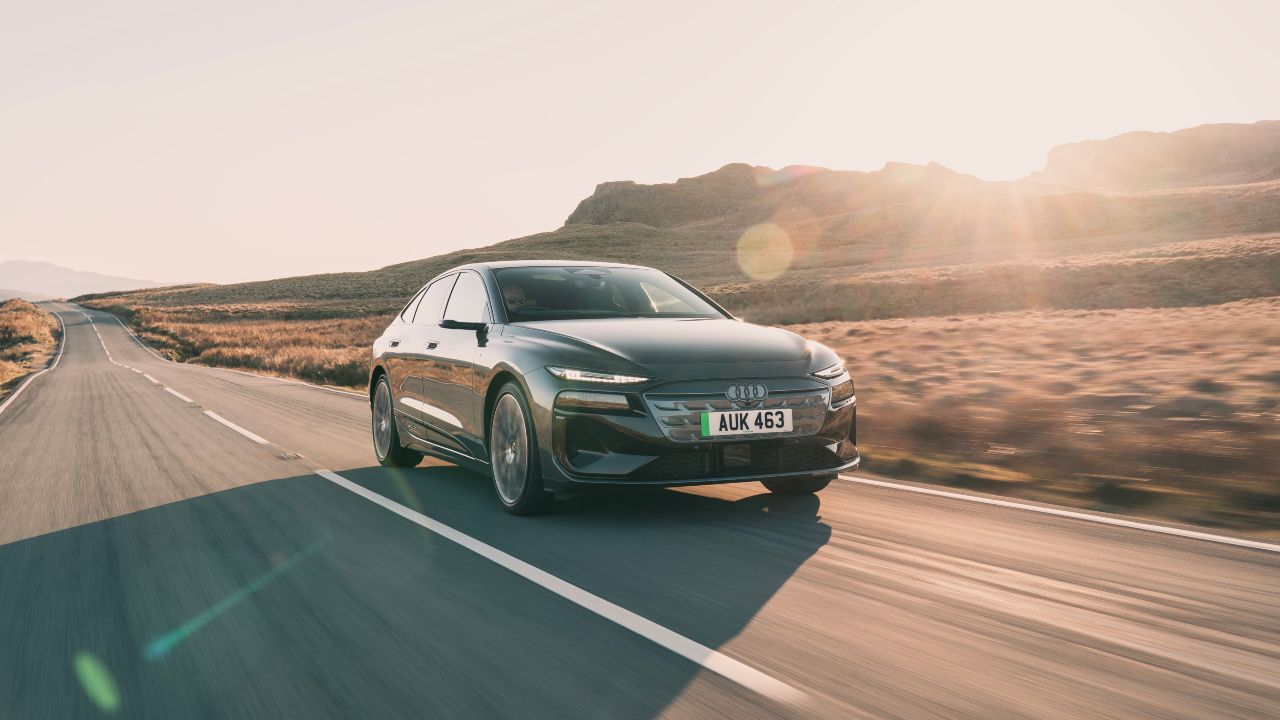
The Audi A6 e-tron marks a significant leap for the brand, its first executive saloon built from the ground up as an electric car rather than adapted from a petrol one. Long, low and unmistakably Audi, it can cover more than 400 miles on a single charge, comfortably enough for a week of client visits between charging stops.
The cabin carries Audi's usual quality of finish, real metal rather than trim that only looks like it. A flat battery recovers to around 80 percent in about twenty minutes on a rapid charger. For anyone weighing up whether an executive EV can really replace a diesel estate, the A6 e-tron answers that question as convincingly as anything currently on sale.
Search Audi A6 e-tronBMW i3
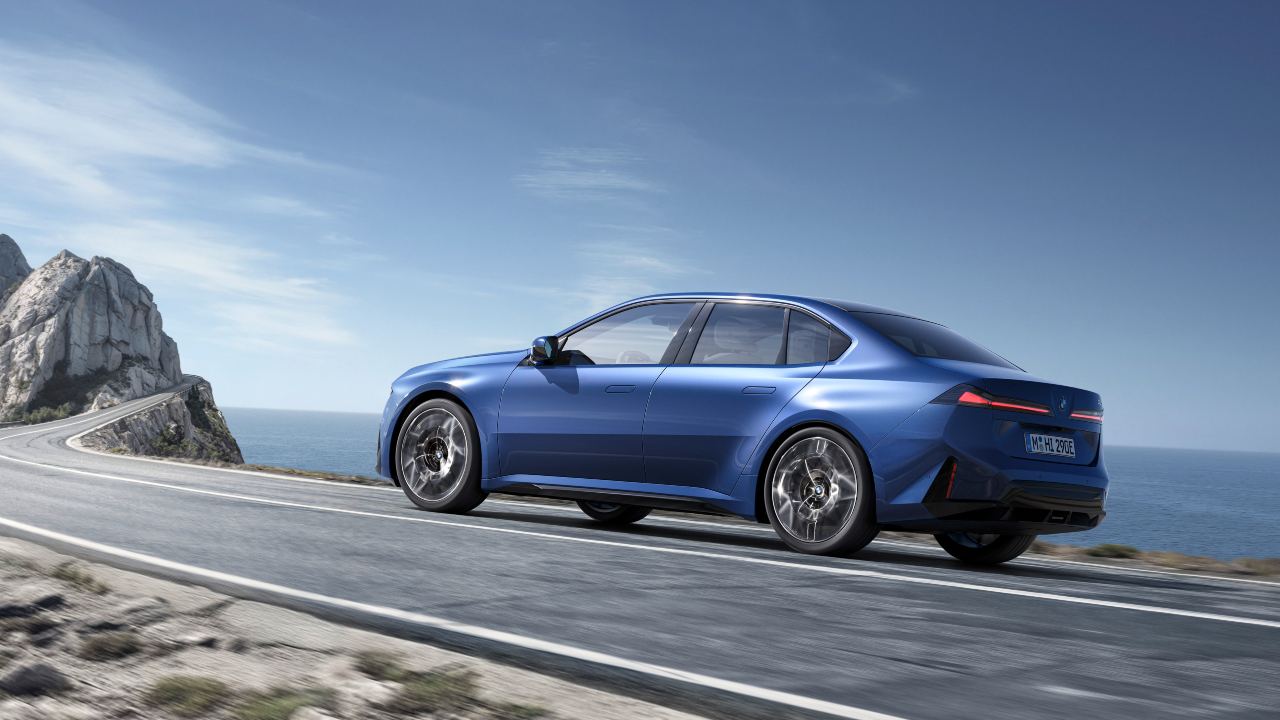
The i3 name used to belong to a small, quirky city car. It has now been handed to a full-size executive saloon, built on BMW's new Neue Klasse platform. It seems an odd choice to use the same name for such a different car, but everything else about the new i3 makes perfect sense.
A single charge can take the i3 further than a full tank used to take most diesel saloons. Three years ago, such a comparison would have been absurd. An 800-volt electrical architecture also means rapid charging that lives up to the name, adding hundreds of miles back in the time it takes to queue for a coffee.
Inside, BMW Panoramic iDrive replaces the usual instrument cluster with a display that stretches the full width of the windscreen. The electric platform also frees up space a petrol 3 Series never had, with a flat floor and low-mounted battery giving rear passengers noticeably more room.
Search BMW i3Mercedes-Benz EQE
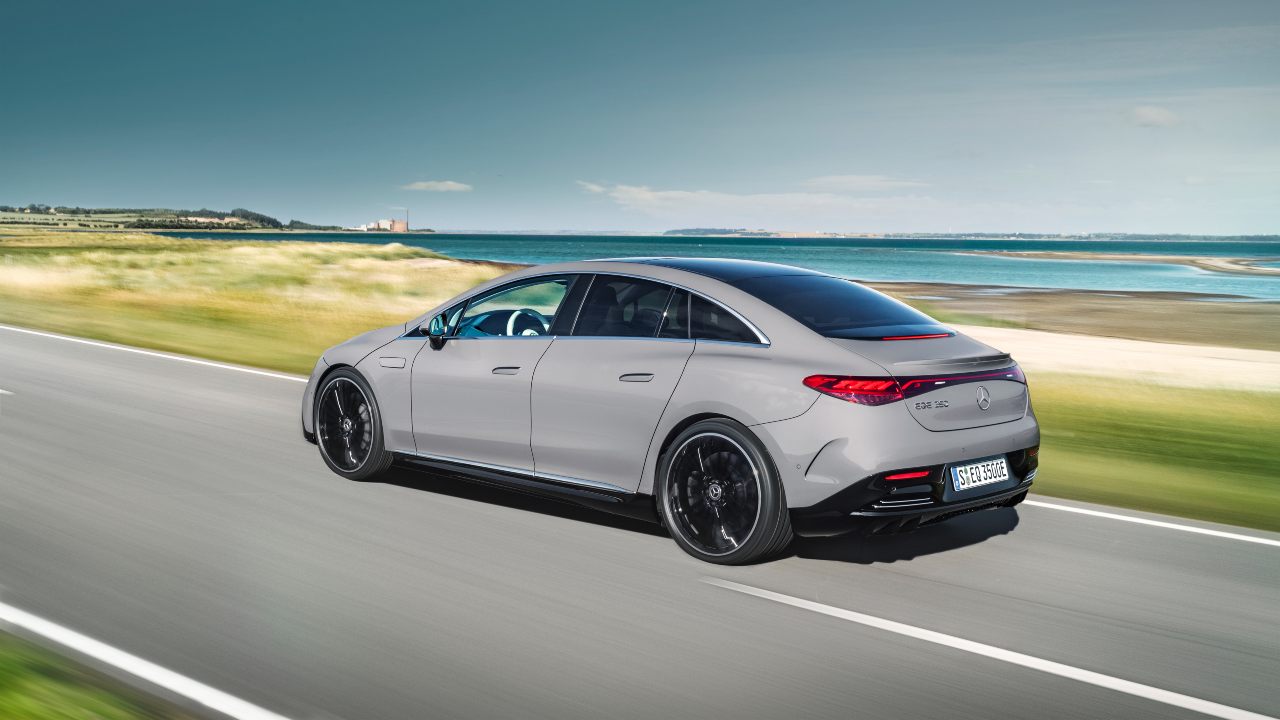
This is Mercedes-Benz's own electric answer to the executive saloon brief, built around the sort of hushed cabin the brand has spent decades perfecting.
Air suspension keeps things settled at speed, and the inviting seats feel less like something built for a commute and more like a favourite armchair at the end of a long day. Some company car drivers value calm over outright cornering ability, and the EQE delivers it.
Aerodynamics were a priority from the start, and the long, smooth profile shows in the numbers: official range runs up to 397 miles, a reminder of just how far the latest generation of executive EVs can travel between charges.
Search Mercedes-Benz EQEPorsche Taycan
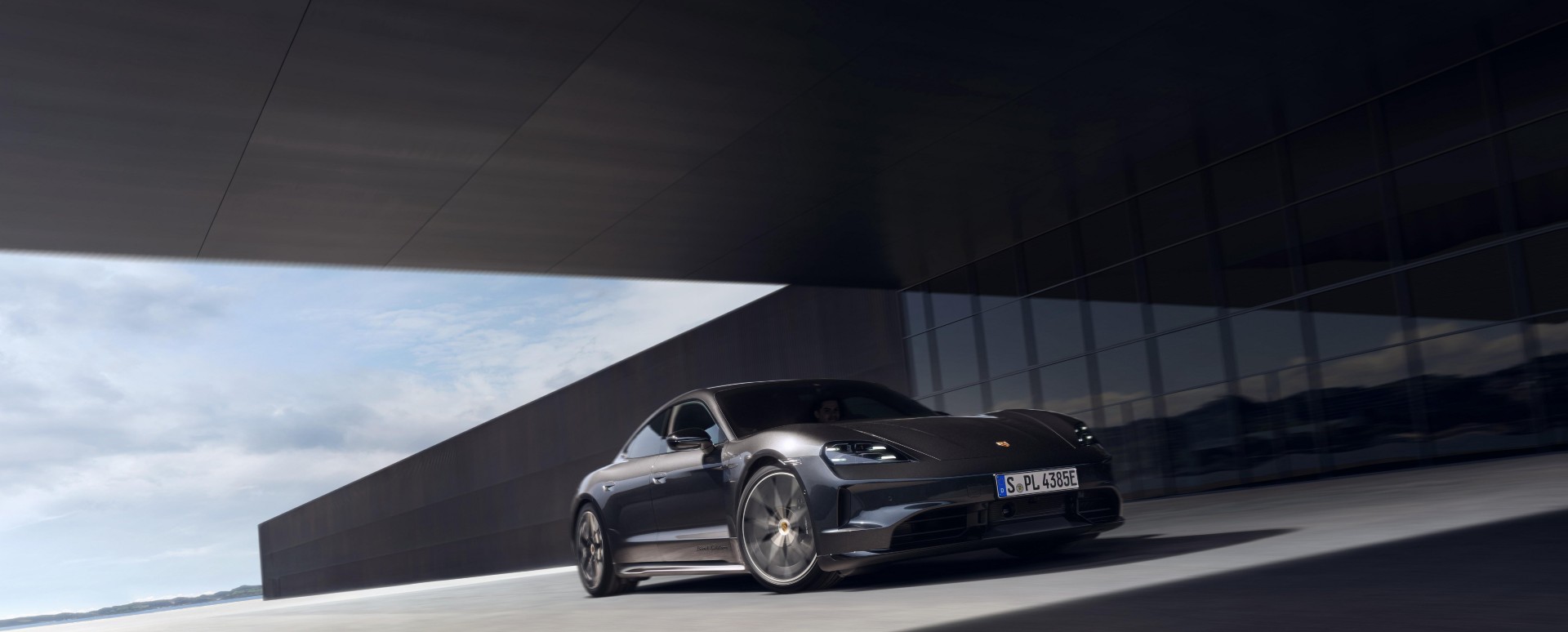
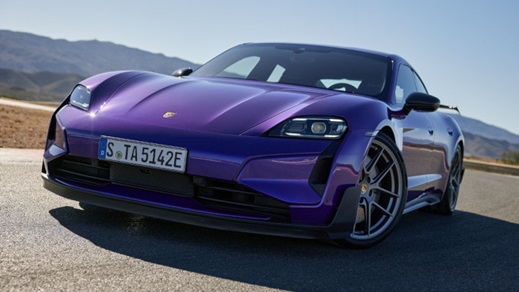
Calling the Porsche Taycan a company car is in danger of underselling it. Its fastest versions perform like the sort of sports car most people only drive on a track day.
The numbers back that up. A dual-motor Taycan will dispatch 0 to 62mph in well under four seconds. Air suspension and near-perfect weight distribution mean it carries speed through a roundabout the way a much smaller car would.
The Taycan remains a four-door electric car designed for everyday use. None of the performance above comes at the expense of that. Rear seats and a boot both do a proper job, leaving the Taycan free to simply be enjoyed.
Discover the Porsche TaycanRange Rover Evoque
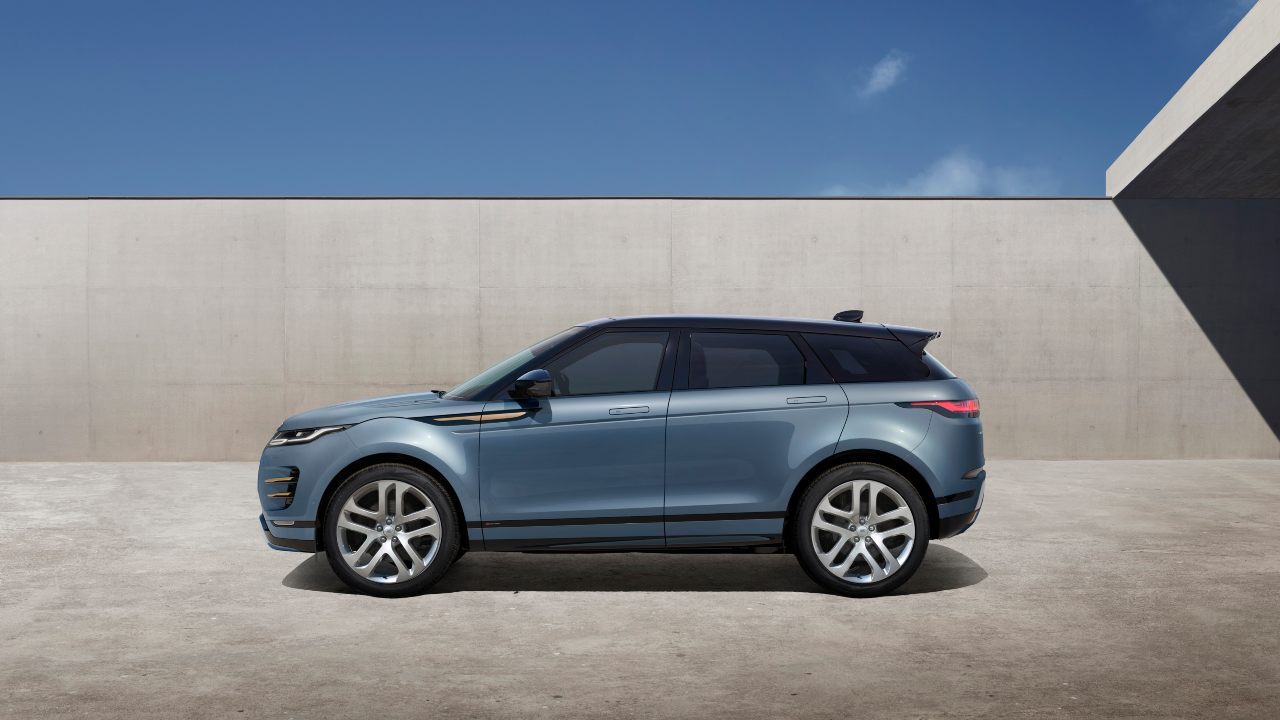
The Range Rover Evoque solves a different problem entirely: what to drive when the job involves as much mud as motorway. The P300e plug-in hybrid version adds electric-only running to that equation, and it brings the usual Range Rover capability.
Air suspension does the heavy lifting here. Lower the body at the touch of a button to load a set of golf clubs, or raise it to clear a rutted farm track. Road noise barely reaches the cabin, which holds its own against anything in this class. Boot space and rear headroom remain generous despite the battery hidden beneath the floor.
Incidentally, Victoria Beckham is sometimes credited with designing the Evoque, but her actual role was as creative consultant on a limited 200-unit special edition.
Search Range Rover EvoqueMINI Countryman Electric
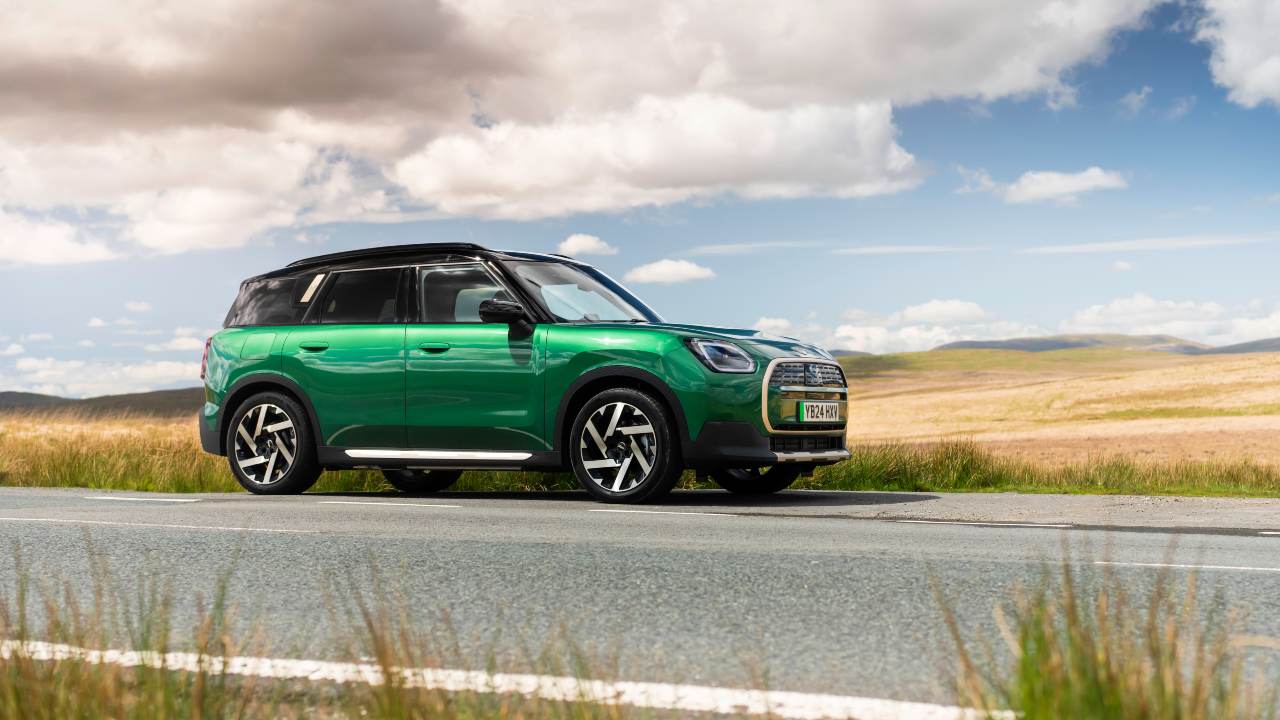
The MINI Countryman Electric is somewhat smaller and considerably more characterful than most other cars on this list. It remains recognisably a MINI inside, all circular switchgear and playful detailing, just stretched enough to work as a proper daily company car rather than a weekend runaround. The Countryman seats five, with the rear bench folding down for additional luggage space.
Pull away from a junction and the electric powertrain answers immediately, no diesel lag waiting to catch up. Sitting higher than most hatchbacks also makes it easier to spot the edge of a tight parking bay, or a cyclist filtering past at the lights.
For a smaller fleet, or a single director who wants something easy to live with, the Countryman Electric might be one of the easiest business decisions of the quarter.
Search MINI CountrymanTesla Model 3
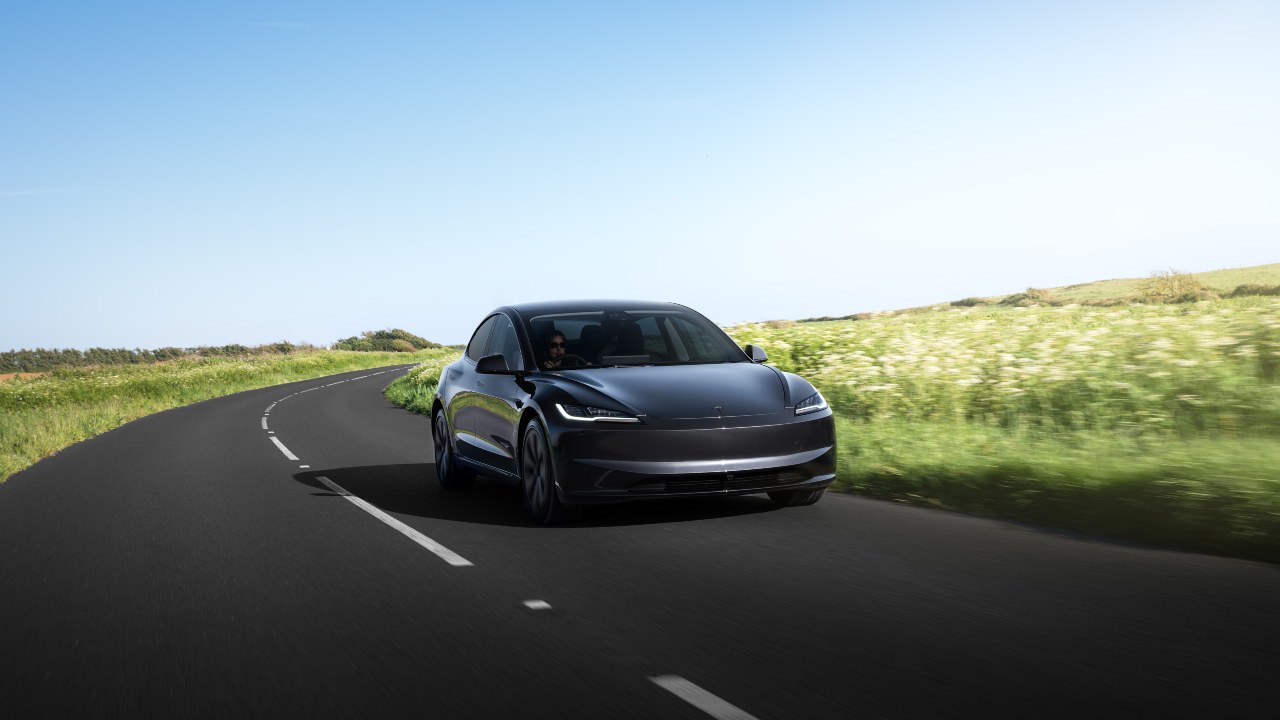
The Tesla Model 3 did more than any single car to convince British business drivers that an electric saloon could be a sensible, mainstream company car rather than just a novelty.
The Model 3 still drives with the directness that built its reputation, helped by a low centre of gravity and instant torque from the electric motor. Software updates continue to add features long after the car leaves the factory, something few traditional manufacturers can match.
Tesla now operates more than 2,000 Superchargers across the UK. Most sit at motorway service stations, right where a business driver actually needs them — so charging rarely dictates the route.
A minimalist cabin, built around a single central screen, divides opinion, though most owners happily adapt within days.
Lotus Eletre
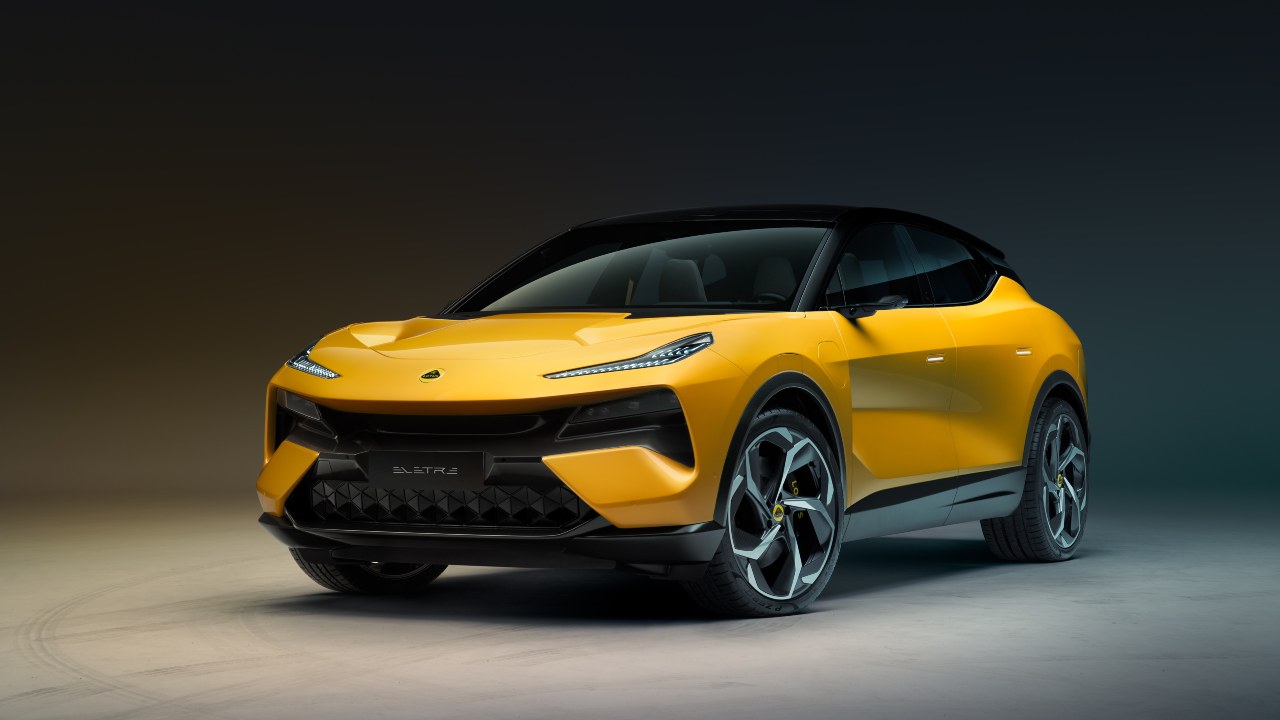
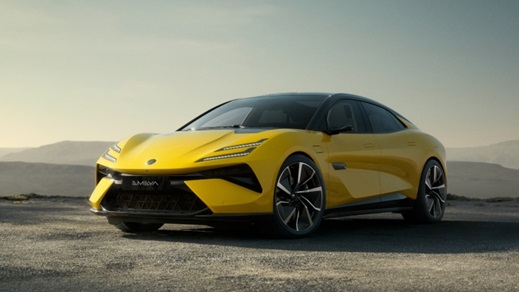
Lotus built its entire reputation on stripped-out, featherweight sports cars, most weighing barely more than a family hatchback. The Eletre breaks from that completely: a full-size electric SUV that, in its most powerful form, produces more than 900bhp, built around all-wheel drive, active air suspension and anti-roll technology rather than outright weight-saving.
Lotus has simply found another way to chase that same precision. It seats five and carries a properly useful boot. Take it through a roundabout, though, at a pace that would embarrass most SUVs, and the Eletre barely blinks.
This will not be the obvious pick for every company car driver. However, for anyone tempted by something different, few cars on sale offer quite as much to talk about.
Search Lotus EletreFrequently asked questions
The BMW 3 Series remains the safest starting point for most business drivers, while the Porsche Taycan and Lotus Eletre suit those chasing something more memorable. The right choice ultimately depends on daily mileage, driving style and how much of that mileage can realistically be covered on electric power alone.
Benefit-in-Kind is the tax paid on a company car provided for private use, calculated from the car's list price, its CO₂ emissions and the driver's income tax band. Lower-emission cars attract a lower BiK rate, which is why electric and plug-in hybrid company cars typically cost less in tax than an equivalent petrol or diesel model.
Running costs for an electric company car are generally lower than petrol or diesel, since electricity remains cheaper per mile for most drivers, particularly when charging at home or at the workplace. Combined with the lower Benefit-in-Kind rate explained above, the gap in total cost can be significant.
Electric-only range varies considerably across this class, from short hops in older systems to properly useful daily distances in a modern plug-in hybrid such as the Range Rover Evoque P300e. Larger batteries generally mean a longer electric range, though real-world figures depend on driving style, temperature and terrain.
Find Your Next Company Car at Stratstone
In the 1990s, the archetypal company car driver was dubbed "Mondeo Man". Three decades on, that same driver has a much wider field to choose from, one that stretches from sensible saloons to something like a Porsche or a Lotus. The right choice comes down to the kind of driving your role actually involves.
A short, predictable commute suits a car with strong electric-only range, while a role built around motorway miles and client visits might reward comfort and refinement instead.
Stratstone's specialists can help match the right company car to your everyday driving pattern. Speak to your nearest Stratstone dealership to discuss availability, or browse the current range of business contract hire deals online.