Guide to Road Tax on Electric Cars | All You Need to Know for 2025
16th Jul 2025

Electric cars have gone on quite the journey in recent years, gaining more and more popularity, so much so that the tax owners pay on them has changed.
Up until the 1st April 2025 road tax on electric cars was exempt. But that has changed, and now, from 1st of April 2025 there is a flat fee for electric cars, new and used, whilst new electric cars with a list price over £40,000 will warrant further tax increases too, as part of the luxury car tax.
Discover all you need to know about the new charges below.
- Why do electric cars now have to pay tax?
- How much is the standard road tax cost for electric cars?
- What about my used electric car?
- Electric vs Internal Combustion
- What about Plug-in Hybrids (PHEV)?
Why do electric cars now have to pay tax?
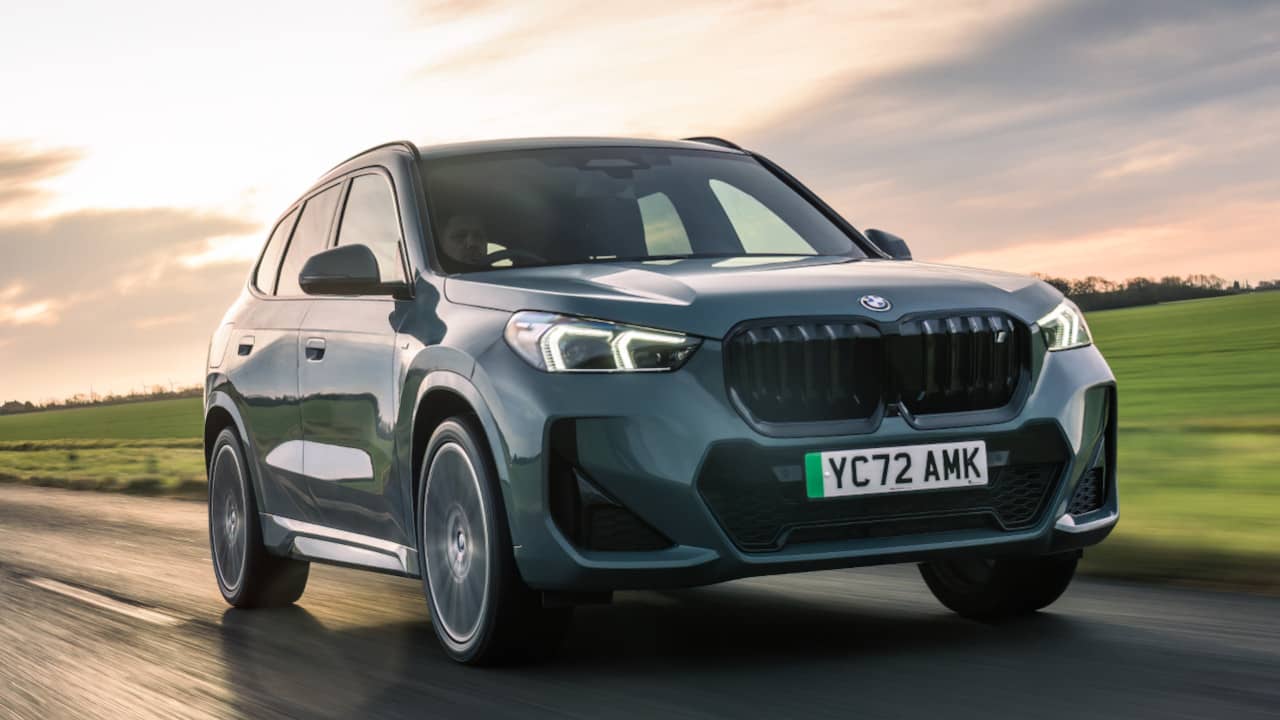
With electric cars being new in comparison to internal combustion engine cars, the government incentive was to allow you to buy an electric car, and not have to pay tax. However, now the electric car has become much more mainstream, it was only a matter of time before tax was applied.
As many electric car drivers will have come from internal combustion, there will have been a deficit in tax the government received, and so now the electric car is more popular, the application of tax seems like the right time, and many knew would come.
How much is the standard road tax cost for electric cars?
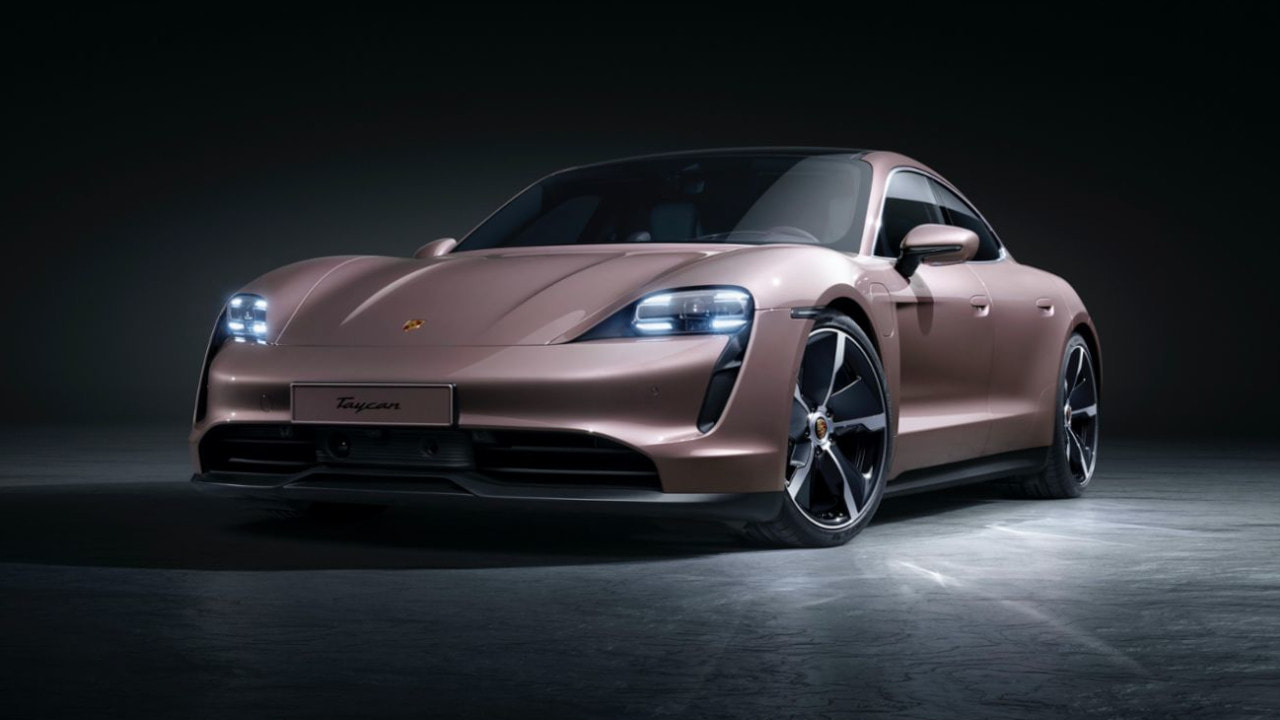
From the 1st of April 2025 new charges were created for electric car drivers. If your new electric car is registered on or after the 1st April 2025, you will pay £10 for the first year, and then a standard £195 for year two onwards.
Those who purchase a new electric car which has a list price of over £40,000, will incur an additional £425 on top of the standard rate, from the second to the sixth year the car is road registered. It will then drop to the standard rate.
This means if the list price is £39,999 or £40,000, you will not have to pay the extra £425. It is also worth noting that if your particular deal takes the electric car to £40,000 or less, perhaps due to a dealer discount or promotion for example, if the list price was above £40,000, you will still have to pay the extra tax regardless.
What about my used electric car?
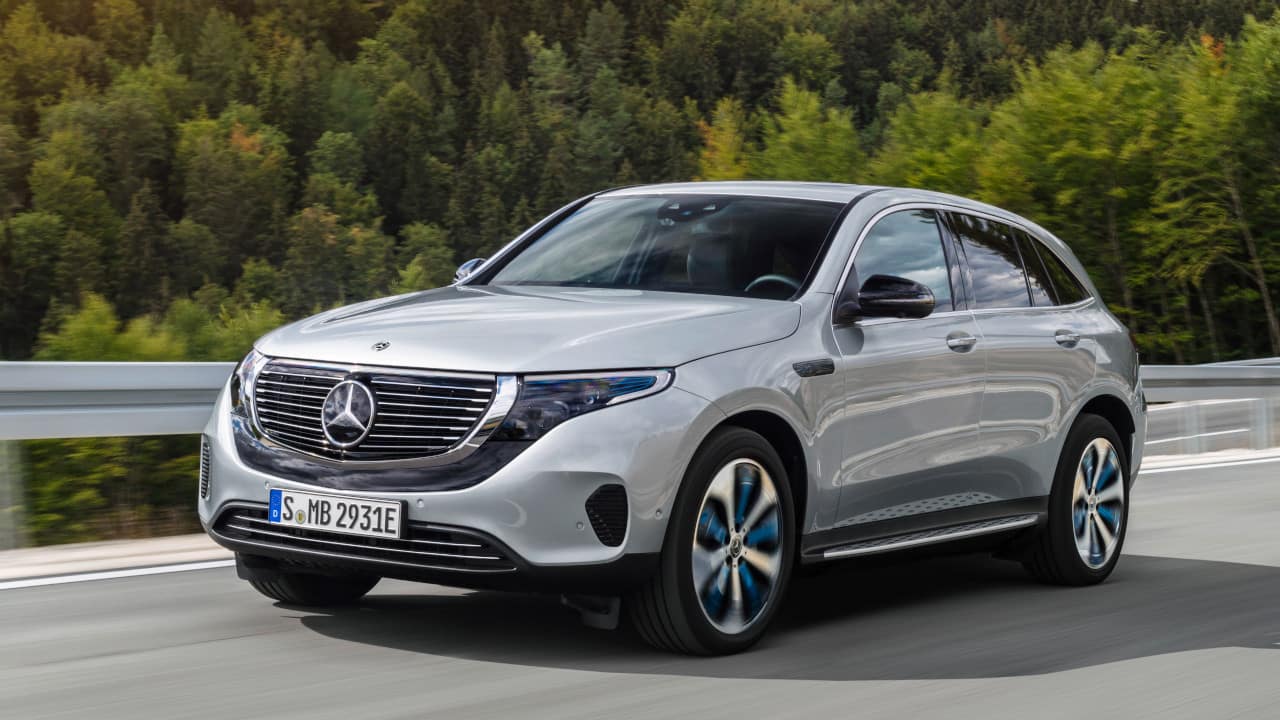
Used electric cars will also warrant a standard tax rate, but the cost will depend on when your car was registered. If your electric car was registered between the 1st of April 2017 and 31st March 2025, you will pay a standard rate of £195 annually.
If your electric car was registered between 1st March 2001 and 31st Match 2017, the rate is £20 annually. So an older used electric car will allow you to pay less tax, but by being older, maintenance may be higher. Like any used car, it will all depend on how well the car has been looked after previously.
Electric vs Internal Combustion
Now that electric cars have increased tax costs, are they therefore not attractive when buying new or used?
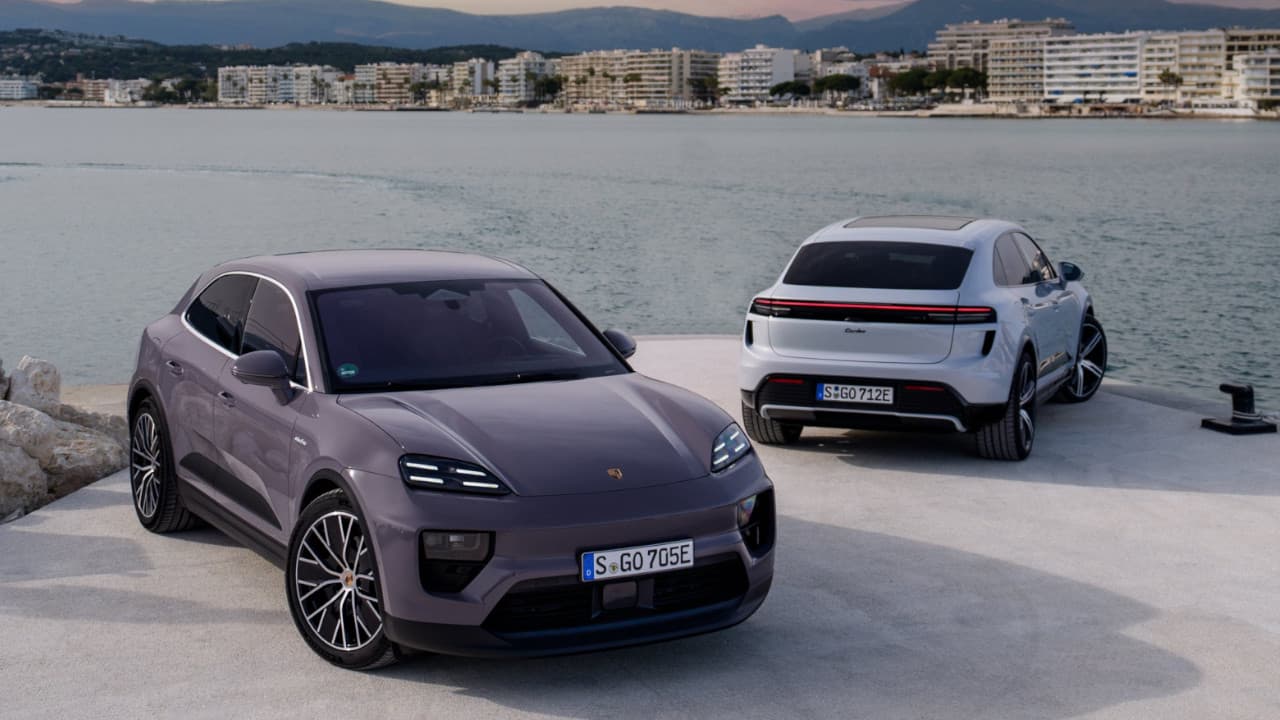
In short, an electric car will still pay less tax than a comparable internal combustion model. For example, if we take a look at the Porsche Macan, if you were to compare the Porsche Macan 4S Electric, against a Porsche Macan GTS petrol, the first year for the electric version would be £10, against the £5,490 in tax for the GTS owner in the first year. From the second year, it will drop to £620 for the GTS owner, and £195 for the Electric Macan.
Both these Macan models are very similar in their price and performance too, so the electric version could be more tempting for some, due to the savings across the years, and how long you plan on owning the car.
What about Plug-in Hybrids (PHEV)?
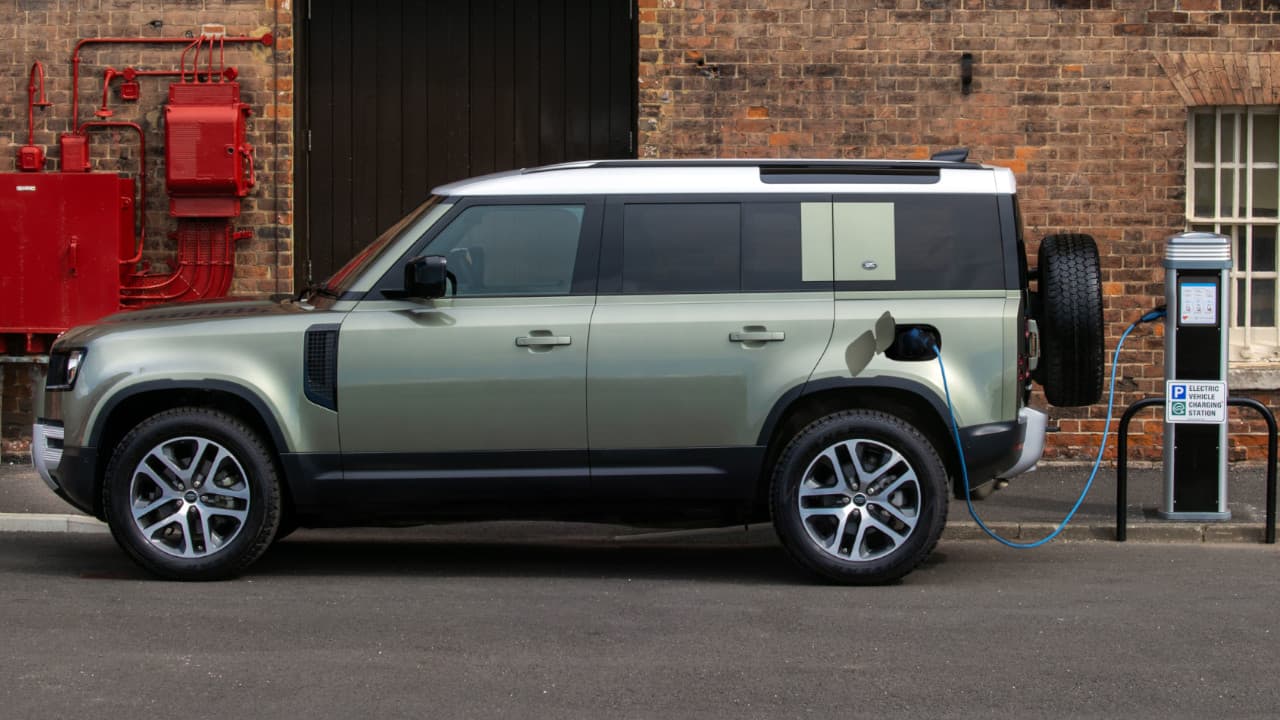
Some people still do not want to go to a fully-electric car, so a plug-in hybrid may be the perfect compromise, as you still get an internal combustion engine, but can switch to fully-electric when the mood suits, for enhanced fuel economy and zero emission driving, for short periods.
Road tax rates for plug-in hybrid cars that were registered before 1st April 2017 will depend on the car in question's emissions, with higher figures meaning higher tax.
Plug-in hybrid cars registered after between 1st April 2017 and 31st March 2025 will pay the standard rate of £195. The standard rate from April 2025 is also £195. However, like electric cars, if the PHEV has a list price above £40,000, and is registered from April 2025 onwards, then they will also incur the luxury car tax of £425. This means you could be paying up to £620 a year in road tax.
Find your perfect electric car with Stratstone
Despite electric car owners now having to pay road tax, as mentioned, they still command less than a internal combustion engine equivalent. Plug-in Hybrid cars are also still a great compromise showcasing the best of both worlds.
Find your perfect electric, plug-in hybrid or internal combustion new or used car with Stratstone.
Alternatively, if you enjoyed this article, discover more like it in our dedicated blog section.