How to Prepare Your Car for Winter
23rd Oct 2025

Winter in the UK can bring some of the most unpredictable and challenging driving conditions of the year. From freezing temperatures and icy roads to heavy rain and early darkness, the colder months can make even short journeys more difficult and sometimes dangerous.
It is easy to put off those winter car checks when life gets busy, but a bit of preparation now can save you a lot of hassle later. Whether you are heading to work on a frosty morning or driving long-distance in snow, knowing how to get your vehicle winter-ready and how to handle difficult road conditions can make all the difference.
Discover our complete guide to winter driving tips below, covering everything from preparing your car for winter to driving safely in winter conditions.
- Preparing your car for winter
- Tips for driving in winter conditions
- Winter servicing
- Frequently asked questions
Preparing your car for winter
Winter driving conditions can catch all drivers off guard, including the most experienced. Freezing temperatures, wet roads, and darker driving conditions can all increase the risk of breakdowns and accidents, so you should take just a few minutes to check your battery, fluids, tyres and lights before setting off. By doing so, you can significantly reduce the chance of breaking down and potentially getting stranded
Check Your Tyres
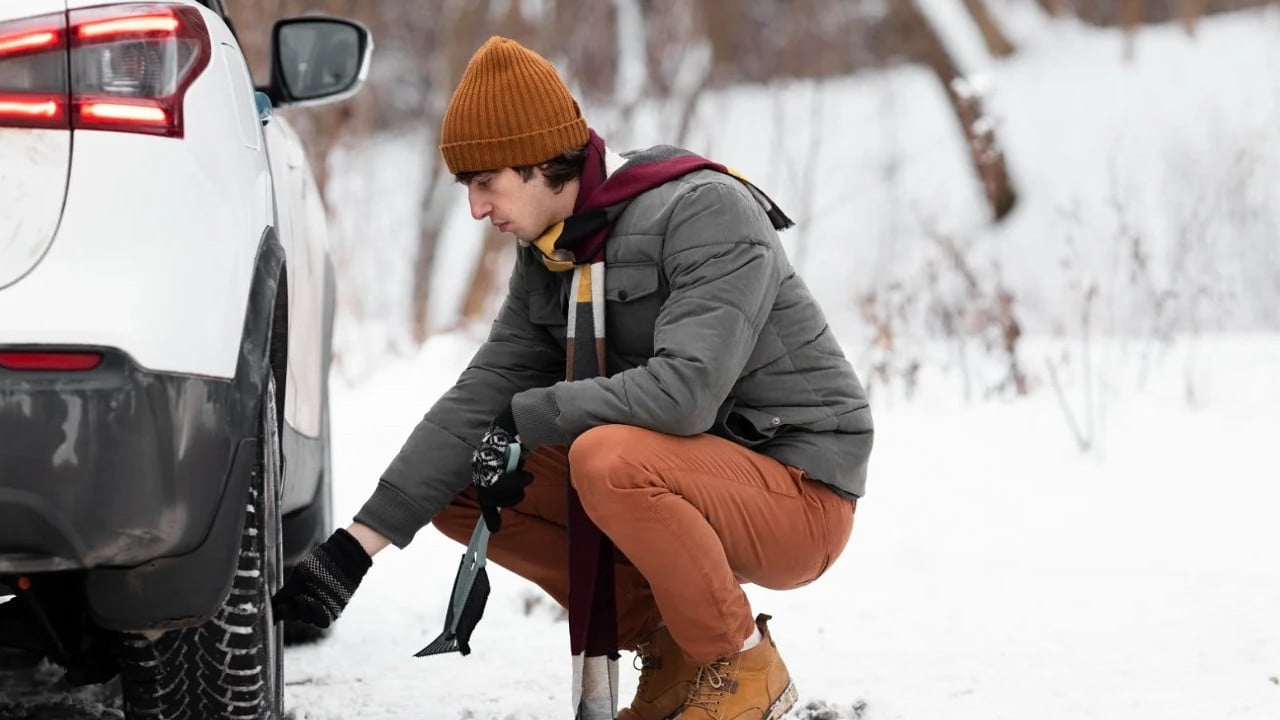
Tyres play a crucial role in your car’s performance and safety during winter. They are the only part of the vehicle in direct contact with the road, and poor tyre condition can severely affect grip, stopping distance, and fuel efficiency.
Tyres should have a minimum tread depth of 1.6mm to be legal in the UK and to ensure your safety whilst driving. For added grip in winter conditions, a tread depth of at least 3mm is recommended to ensure your vehicle can perform properly as well as maintaining safe stopping distances. Uneven tread wear can indicate issues with wheel alignment or suspension, so have any irregularities checked by your nearest service centre.
You should also check tyre pressures using a reliable pressure gauge, ideally when tyres are cold. Cold weather causes air pressure to drop, which can lead to under-inflation, increasing rolling resistance, tyre wear, and fuel consumption. You will find the recommended pressure levels in your vehicle's handbook or on a sticker inside the driver’s door frame.
If you live in an area where temperatures regularly drop below 7°C, consider switching to winter tyres. These are made from special rubber compounds that stay flexible in the cold and feature deeper tread patterns for better grip in snow, ice, and rain. When fitted as a full set, they can significantly improve handling and braking on winter roads.
When it comes to driving in winter conditions, the type of vehicle you choose also has an impact. Front-wheel drive handles snow relatively well, but rear-wheel drive vehicles can sometimes really struggle. In those cases, adding weight to the boot or using snow chains on rear-wheels can help improve traction and stability.
Maintain Visibility
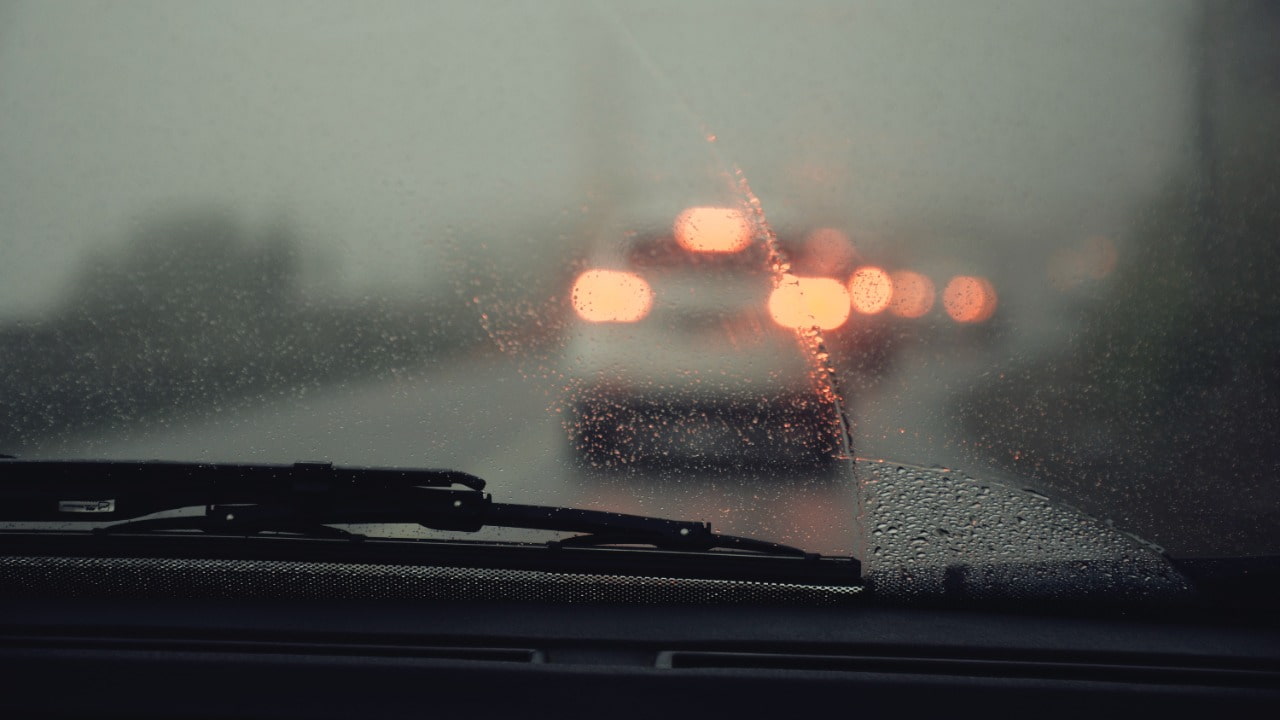
In winter, visibility is already compromised by weather and shorter days, so it’s even more important that your lights are clean, bright, and working properly. A blown bulb is not just a safety hazard, but it can also lead to a failed MOT or a police stop. Carrying spare bulbs and checking your lights regularly is a simple way to stay safe and legal
Next, take a good look at your windscreen and wipers. If you can see cracks or chips in the glass, get them repaired before the cold weather causes them to spread. Check that your wiper blades are in good condition and replace them if they leave streaks or squeak across the screen.
One of the biggest risks in winter is frozen coolant, which can lead to major engine damage. Coolant should be topped up and mixed 50/50 with antifreeze during colder months. Dirty roads and spray mean you'll be using screenwash a lot more often too, so don’t forget to check this
Every winter we see drivers pouring boiling water on their windscreens to clear ice, but this can lead to your windscreen cracking instantly, leaving you with a repair bill of several hundred pounds. Instead, you should always look to use a scraper and de-icer spray, or start the car a few minutes early with the heater on low. These methods are safer, cheaper, and protect your windscreen from any damage.
When you set off, always clear snow and ice from all windows, mirrors and lights. Use a proper ice scraper and de-icer spray, and do not forget to remove snow from the roof. If it slides down when you brake, it can completely block your view.
Look after your battery
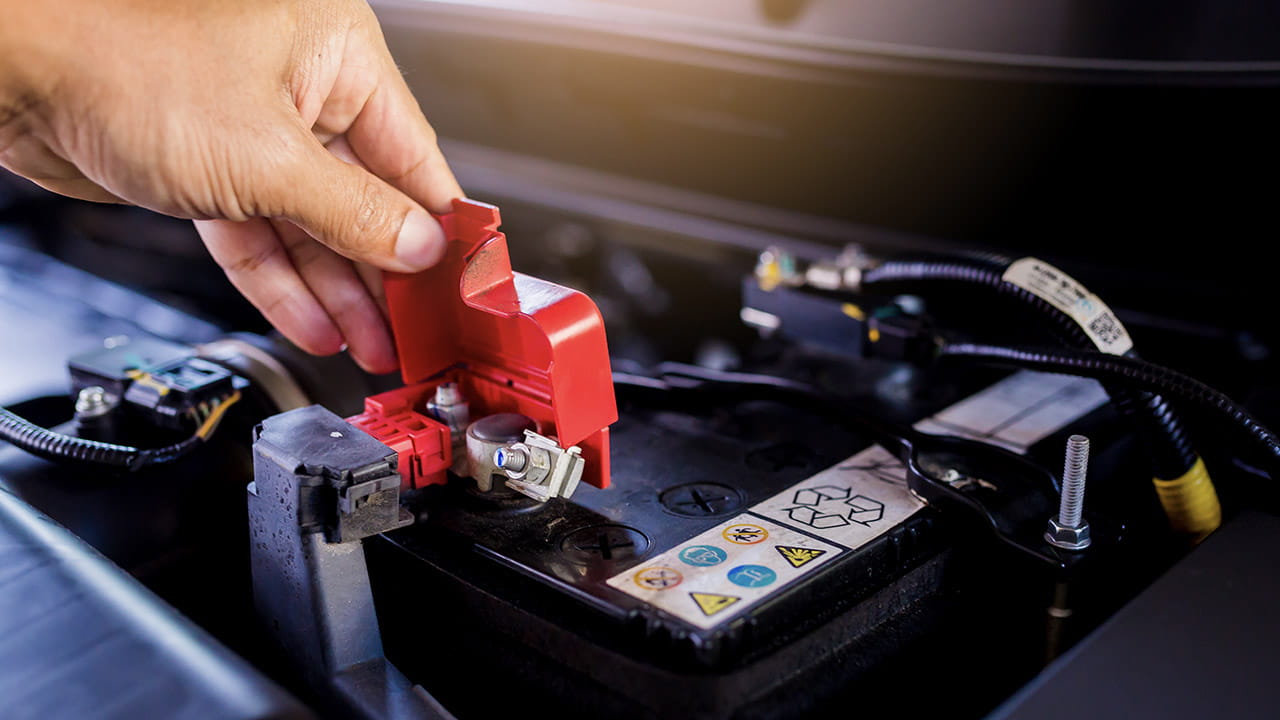
Battery failures are one of the most common causes of winter breakdowns. Not only does the cold weather make your engine harder to start, but you're also using more power for heating, lighting, and your wipers. If your battery is over four years old, it’s worth having it tested or replaced before the temperature really drops to get ahead.
If your battery is more than four years old, it is sensible to have it tested before winter begins. Most service centres can check the voltage and charge capacity in just a few minutes, and it is a simple way to avoid being caught out on a freezing morning. Warning signs that your battery might be struggling include slow engine starts, dim headlights, and flickering dashboard lights.
To help your battery cope through the colder months, you can:
- Turn off any non-essential electrical systems before you switch the engine off.
- Drive your car regularly rather than leaving it sitting for days at a time.
- Keep the battery terminals clean using a wire brush and a bit of terminal grease.
- If you do not drive much, consider using a trickle charger or battery maintainer to keep it topped up.
If you park outside, you can help your battery last longer by keeping the engine bay as sheltered as possible. Parking in a garage is best, but even a cover or battery insulation sleeve can help protect it from freezing temperatures.
Pack a winter car kit
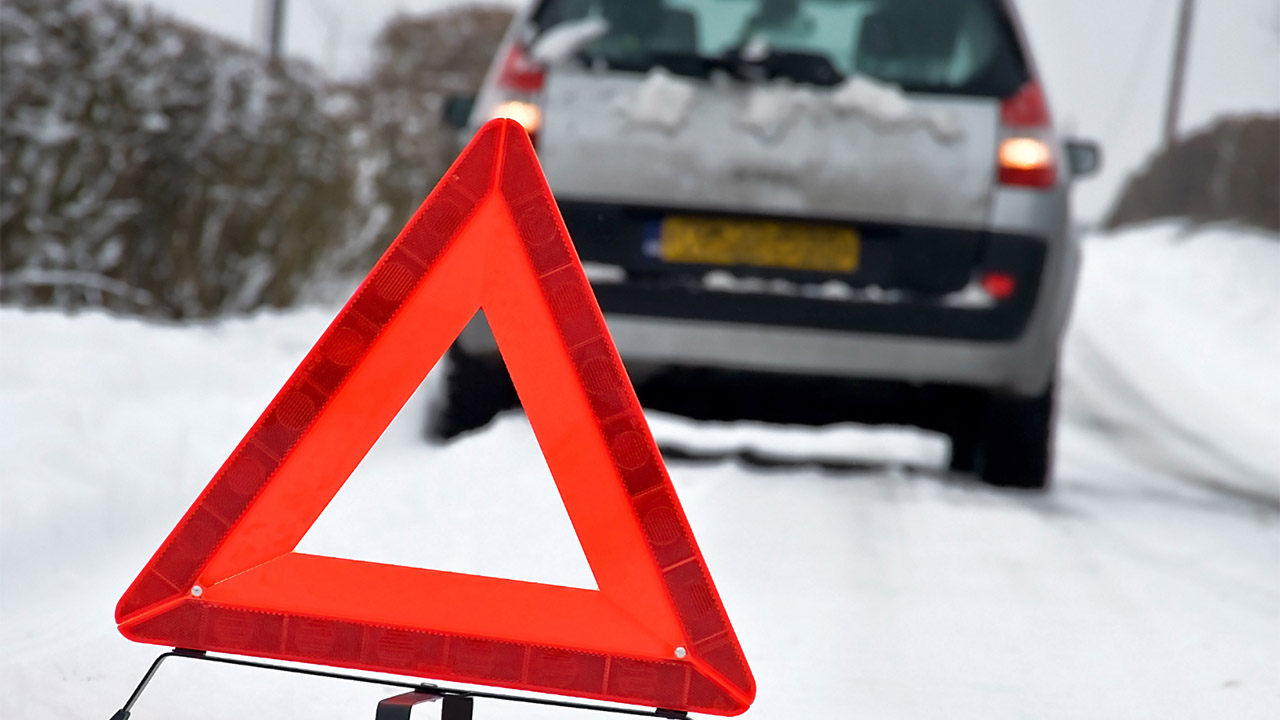
Here is what to keep in your boot during the colder months:
- Ice scraper and de-icer spray
- Torch with spare batteries
- Blanket or warm clothes
- Hi-vis jacket
- Jump leads or portable battery booster
- Water and snacks
- First aid kit
- Fully charged power bank
- Spare screen wash
- Reflective warning triangle or LED hazard light
- Pair of gloves and waterproof footwear
If you often drive on rural roads or live somewhere that gets heavy snow, you might also want to carry traction mats, snow chains, or a small bag of grit or sand. It is better to have it and not need it than to be stuck without.
Tips for driving in winter conditions
Getting your car prepared for winter and cold conditions is a great start, but understanding how to drive safely during the colder months makes just as much of a difference. Slippery roads, poor visibility and unpredictable weather mean you have to think ahead and make sure the way you drive is careful and controlled.
How to drive in snow and icy conditions
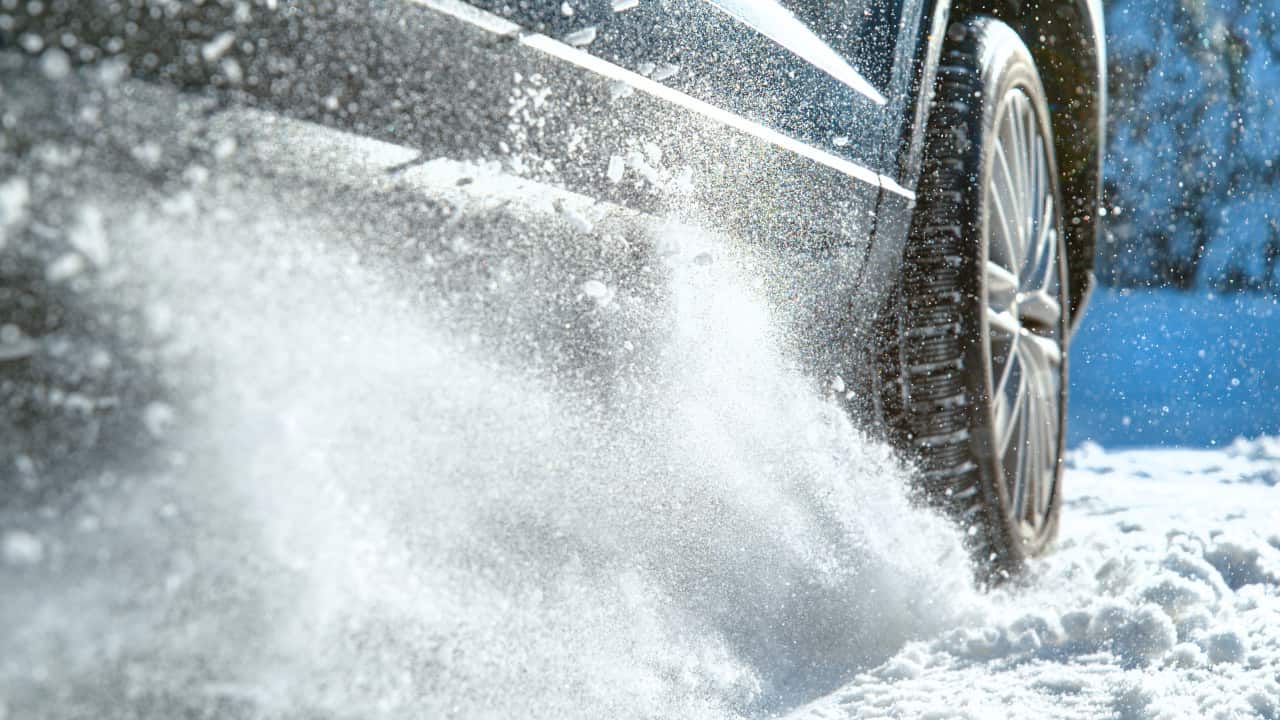
With such unpredictable weather in the UK, you never know when you will have to face snow, ice, and sleet. That is why it is important to understand how to safely drive in these conditions, and when you should avoid driving at all.
Before heading out in snow or icy weather, take time to get both yourself and your car ready. A few simple checks can make a big difference:
- Check the weather and travel updates before leaving: If warnings are in place or conditions look dangerous, delay your journey if possible.
- Clear all snow and ice from your vehicle and lights: Snow falling from your roof can block your view or hit another vehicle.
- Use a proper ice scraper and de-icer: Do not use boiling water, as this can crack the glass.
- Top up your washer fluid: Using winter-grade screenwash will ensure the solution will not freeze during your journey.
- Pack your winter car kit: Including blankets, snacks, and a torch in case you get stuck or delayed.
- Charge your phone: If you need to contact emergency services for any reason it is important to make sure your phone is fully charged.
If conditions are severe and the authorities advise against travel, it is always best to stay put unless absolutely necessary. But, if you do have to drive, being prepared and adjusting your driving style can make all the difference:
- Set off gently: Use second gear instead of first to reduce wheelspin.
- Use higher gears where possible: This will help maintain traction and keep engine revs low.
- Accelerate and brake gradually
- Leave at least 10 times more space than usual between you and the car in front: Stopping distances are much longer when driving on snow and ice.
- Avoid sharp steering: Try to keep everything as calm and consistent as possible.
- Use engine braking when going downhill: You can do this by shifting to a lower gear before the descent and applying brakes lightly.
- Watch for black ice: This looks like shiny or wet patches on the road, especially on bridges and shaded areas. If you hit ice, lift off the accelerator and steer gently until you regain grip.
- If your car starts to skid: Ease off the accelerator and steer in the direction you want the front of the car to go. Avoid slamming on the brakes or oversteering.
- Keep your dipped headlights on: Only use fog lights if visibility is very poor.
All that said, if the weather gets worse or visibility becomes too poor, pull over in a safe place and wait until it is safe to continue.
How to drive in the rain
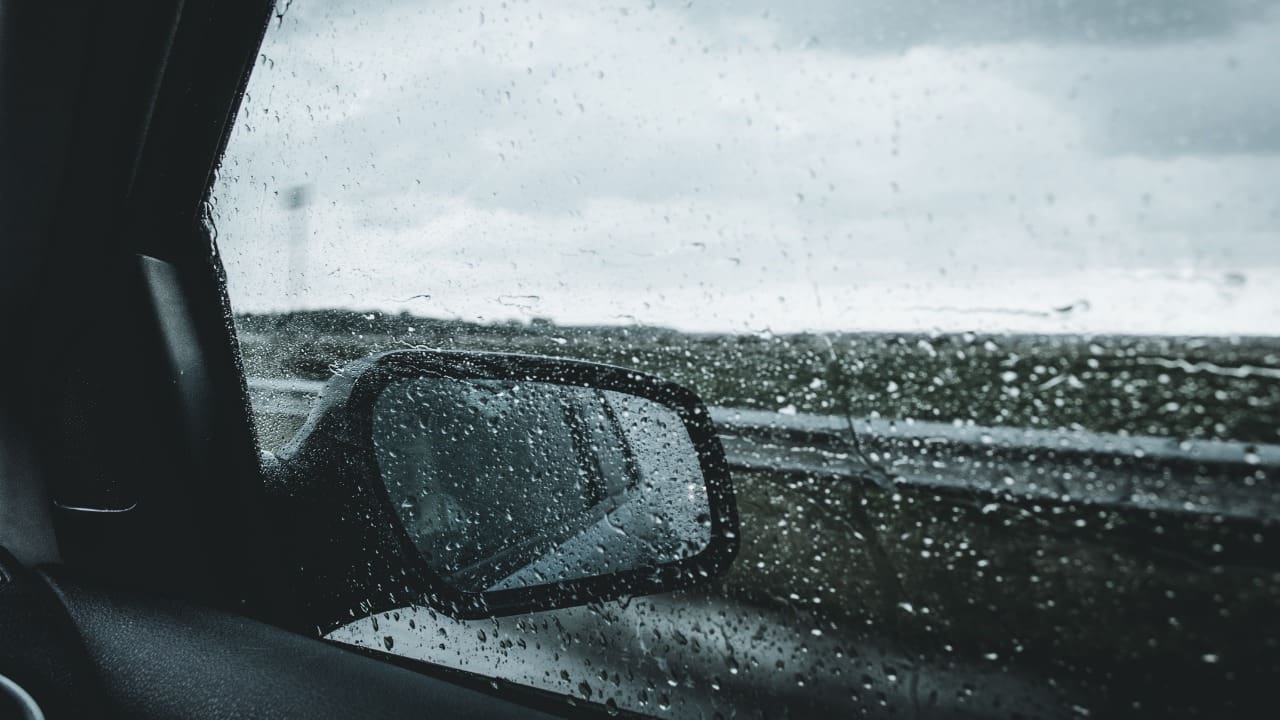
Rain might not seem as serious as snow or ice, but wet roads cause many winter driving incidents in the UK every year. Even a light shower can reduce grip and make stopping distances much longer, while heavy rain can quickly cause standing water or flooding. It only takes a few millimetres of water on the road to make tyres lose contact with the surface, so it is important to adjust the way you drive as soon as the weather turns.
When driving in the rain, the first thing to do is slow down. Wet roads reduce friction between your tyres and the tarmac, which means it takes longer to stop and is easier to skid if you brake or steer suddenly. Give yourself plenty of space from the vehicle in front and brake gently and early so you have time to react if traffic slows down. Smooth steering and gentle acceleration are also key to maintaining control.
Keeping your visibility as clear as possible can also be just as important for keeping safe in winter. Make sure your headlights are on dipped beam so that you can see and be seen by others and avoid using fog lights unless visibility is very poor, as they can dazzle oncoming drivers. You can also use your air conditioning or demister to stop the windscreen from misting up, as warm, damp air inside the car can quickly fog the glass when it rains.
Aquaplaning can also be a serious hazard when driving in heavy rain. This happens when water builds up between the tyres and the road, lifting the tyres off the surface and causing you to lose steering and braking control. If you do experience aquaplaning, stay calm, lift off the accelerator and hold the steering wheel steady until you feel the tyres regain grip - do not brake or steer sharply, as that can make things worse.
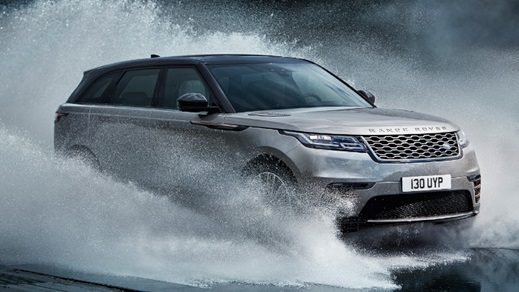
Finally, take extra care around large puddles and flooded areas, as even shallow water can hide potholes or damage your brakes and engine if you drive through it too fast. If you cannot tell how deep the water is, it is always safer to turn around and find another route.
Winter Servicing
Even with all the right checks and preparations at home, it is still important to get a proper winter health check from a trained technician. Getting your car properly inspected before or during the colder months can help prevent small issues from turning into breakdowns when you least expect them.
A winter service will usually include a thorough check of your battery, tyres, brakes, fluids, lights, heating, and wiper system, making sure everything is working as it should. Technicians will also look for signs of wear and corrosion, and ensure that your car’s antifreeze and screen wash are at the correct levels for the season. It is always best to have this done by an official service centre, where manufacturer-approved parts and tools are used to keep your vehicle running reliably and safely.
If you have any dashboard warning lights, unusual noises, or notice your car struggling to start on cold mornings, do not ignore them. A quick visit to a service centre can save you from much bigger problems later on. Regular maintenance also helps your car perform better and keeps you safe on the road through all weather conditions.
Frequently Asked Questions
Yes, if you live in an area where temperatures often drop below 7°C or you regularly drive on rural or untreated roads. Winter tyres offer better grip, handling, and braking performance in cold, wet, or icy conditions.
Stay calm and avoid spinning the wheels, as that only digs you in deeper. Try gently rocking the car back and forth using first and reverse gear, clear snow from around the tyres, and use grit, sand, or mats for extra traction if needed.
It can be safe to drive in heavy rain, but only if you slow down and take extra care. Keep a larger distance from the vehicle in front, use dipped headlights, and avoid driving through standing water where possible to reduce the risk of aquaplaning.
Book your winter service today with Stratstone
Driving in the winter months can be unpredictable and daunting, but with a bit of preparation and care, you can make every journey safer and more comfortable. From checking your tyres and battery to keeping your windscreen clear and driving with extra caution in rain, ice, or snow, every small step adds up to a big improvement in safety.
For complete peace of mind, book your winter service with an official Stratstone service centre and make sure your vehicle is ready for the cold months ahead. If you would like to discover more practical driving tips and advice, visit our blog section, which is regularly updated with helpful guides, seasonal advice, and motoring news.