The Best Modern Classic Cars You Should Buy in 2026
05th Aug 2026
By Edward Cook

Almost every new car loses value the moment it leaves the forecourt. A small number buck that trend entirely, and another group does something stranger still. They depreciate for years, then start climbing back up in value long before old age has any right to make them desirable.
Modern classics, or future classics if bought early enough, tend to share a few common traits. Limited production numbers help. So does an engine, gearbox or entire discipline unlikely to be repeated further down whatever road the industry is currently travelling.
Everyone will have their favourites, but here are the ten we believe are most worthy of consideration.
- MINI JCW GP
- Porsche 911
- Alpine A110
- Mercedes-AMG C63 (W204)
- BMW M3 (E92)
- Land Rover Defender (pre-2016)
- Audi R8 (first generation)
- Jaguar F-TYPE
- Aston Martin V12 Vantage (2009-2013)
- Lotus Emira V6 SE
MINI JCW GP
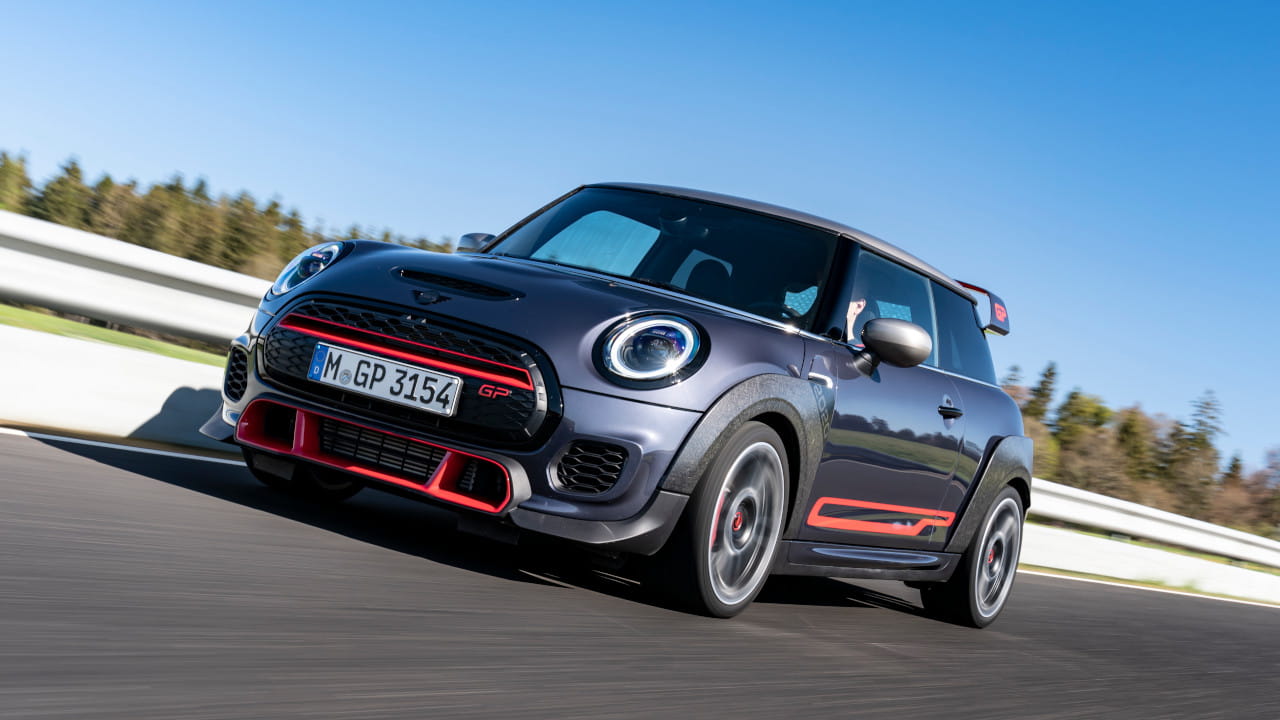
The John Cooper Works name honours the same John Cooper who built Formula One championship-winning cars for Jack Brabham, decades before his name ended up on a hot hatch.
The MINI John Cooper Works GP has been built in three distinct generations, and each one has followed a similar formula. Strip out unnecessary weight, add power and create only as many as demand can bear, then stop production altogether.
The latest, third-generation GP is front-wheel drive only, produces 302bhp from its 2.0-litre turbocharged engine, and wears the widest track and largest rear wing ever fitted to a production MINI. Just 3,000 were built worldwide, with no rear seats and a fixed-back bucket seat in their place.
All three generations have proven remarkably resistant to depreciation, a rare trait for a hot hatch built around such a small, everyday car.
Porsche 911
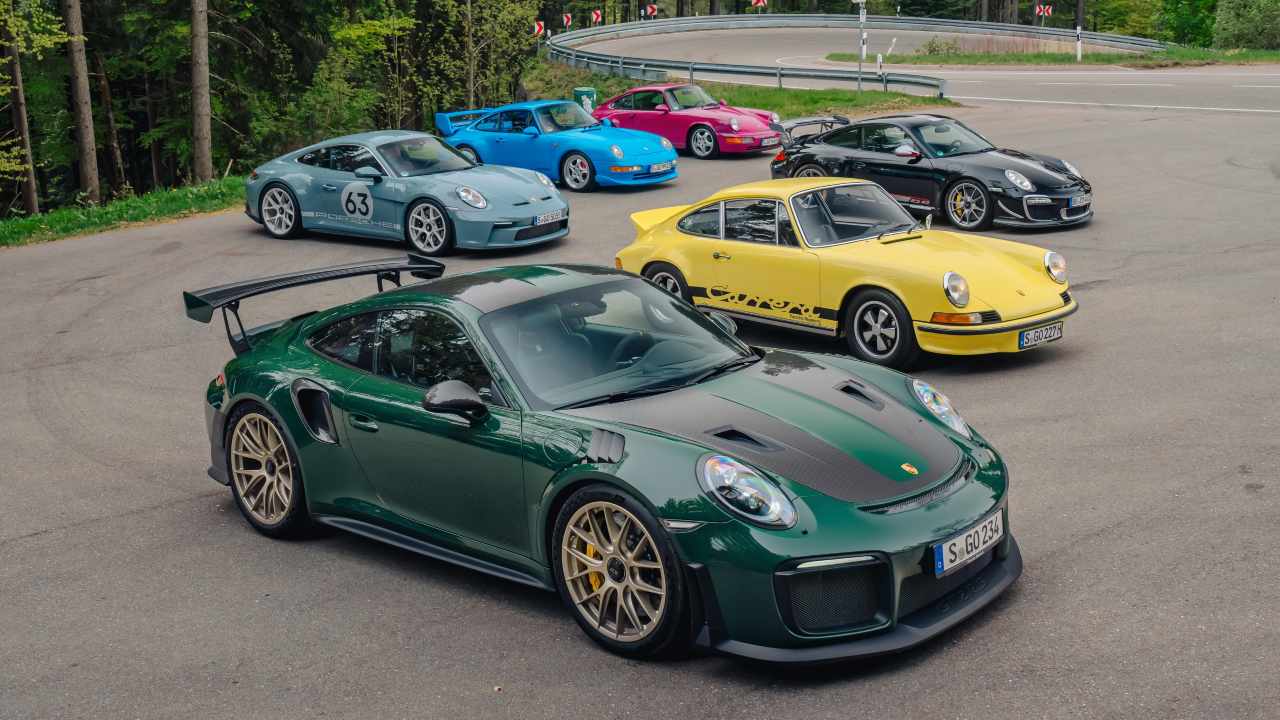
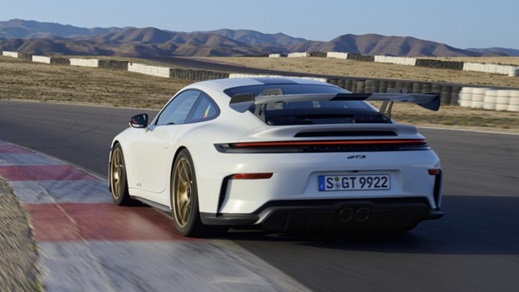
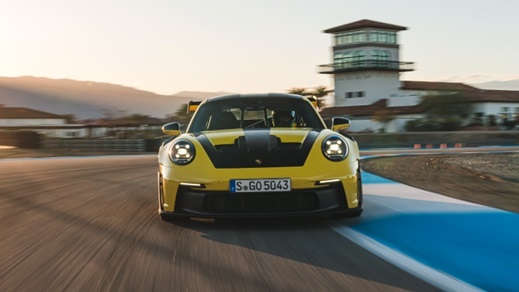
No modern classics list would be complete without a Porsche 911, and deciding which generation to favour would seem to be missing the point. The 911 has been in continuous production since 1963, longer than almost any other sports car, and several distinct generations already carry recognised future classic status of their own.
Air-cooled cars built before 1998 command the highest premiums, but later water-cooled generations, including cars still available to order new, are increasingly discussed in the same terms. Manual gearboxes remain available on certain models long after most rivals abandoned them, a detail collectors and enthusiasts tend to value above almost anything else on a specification sheet.
Porsche never abandoned the 911's rear-engine layout, even as rivals called it a flaw and moved to mid-engine designs instead. Six decades of refinement have proved the sceptics wrong.
Alpine A110
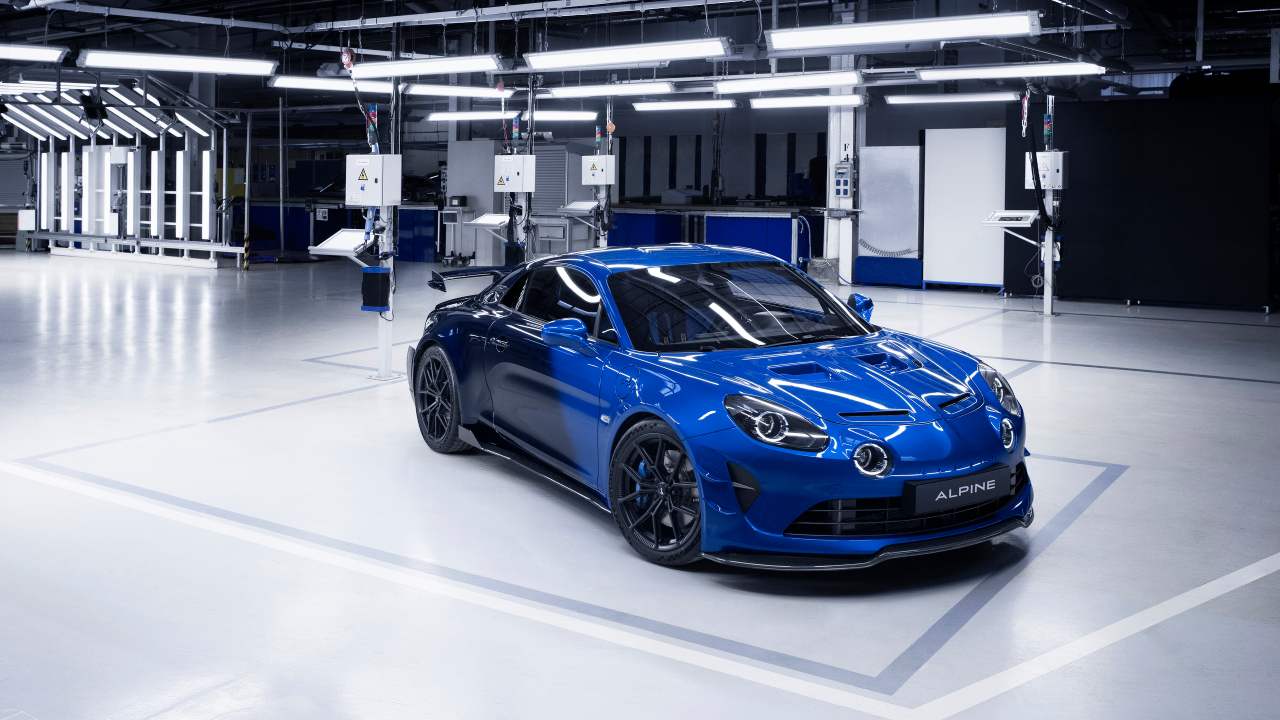
The Alpine A110 arrived in the UK in 2018. Many manufacturers talk about driver engagement, but the A110 proves there is another route to speed. By prioritising lightness over outright power, Alpine created a car that regularly draws comparisons with classic Lotus models, at a time when most rivals were chasing ever-larger outputs.
This model is a direct descendant of the original Alpine A110 from 1963, a car with true rally pedigree. Weighing just 1,102kg, it undercuts almost every modern sports car on the market, a figure that makes the car both sharper through corners and, unusually for something this light, comfortable on bumpy B-roads.
Alpine has since expanded the range with S, GT and R versions, plus an Ateliers personalisation programme offering extensive colour and trim choices. The standard car remains the purest expression of the idea, and arguably the one buyers will look back on most fondly.
Mercedes-AMG C63 (W204)
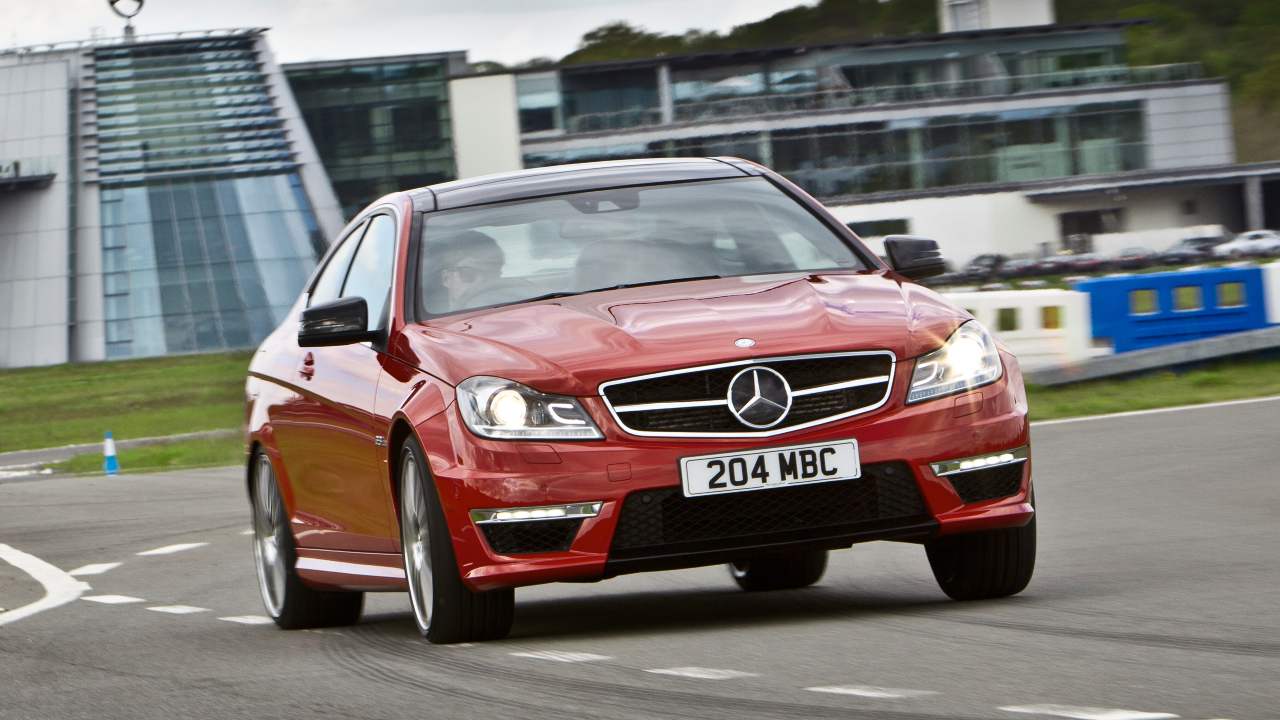
The W204-generation Mercedes-AMG C63, built between 2008 and 2015, carries a 6.2-litre naturally aspirated V8 under its bonnet, the last C63 to do so before AMG turned to a turbocharged V8, and eventually four-cylinder, power. This was AMG's first engine ever designed entirely in-house, sharing no parts with any standard Mercedes-Benz unit, marking the moment AMG stopped being simply a tuning outfit.
The naturally aspirated V8 makes a sound turbocharging has never quite replicated. It revs hard and rewards a heavy right foot with a bark that few rivals from the same era can match. Saloon, Estate, Coupé and Black Series versions were all available, giving buyers a significant choice of bodystyle without diluting the underlying character.
Mercedes-AMG's move to a hybrid four-cylinder engine for the latest C63 proved deeply unpopular with existing owners. That reaction alone has done plenty to secure the W204's reputation as the version enthusiasts increasingly want to own.
BMW M3 (E92)
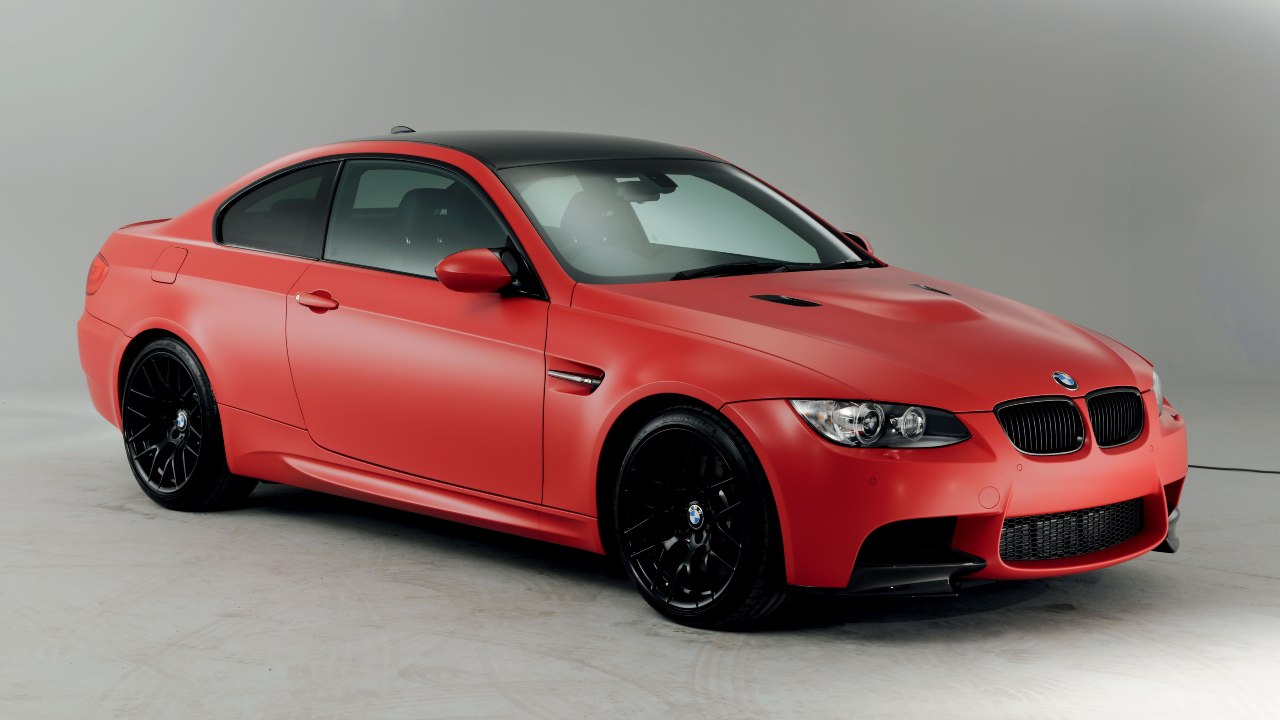
The E92-generation BMW M3, built between 2007 and 2013, remains the only M3 in the model's history to use a V8 engine, a naturally aspirated 4.0-litre unit producing 414bhp and revving to 8,300rpm. At 8,400rpm, the E92's redline remains the highest ever fitted to a cross-plane crank V8, a record that has stood since the car went out of production in 2013.
Coupé, Convertible and four-door Saloon versions were all sold, though the Coupé remains the version most closely associated with the car's fearsome reputation. A track-focused GTS version pushed the same V8 to 4.4 litres and 450bhp, with production limited to just 300 cars worldwide.
Every M3 generation since has returned to turbocharged six-cylinder power, making the E92 a genuine one-off within BMW M's history. Low-mileage, well-documented examples are already becoming considerably harder to find at a sensible price.
Land Rover Defender (pre-2016)
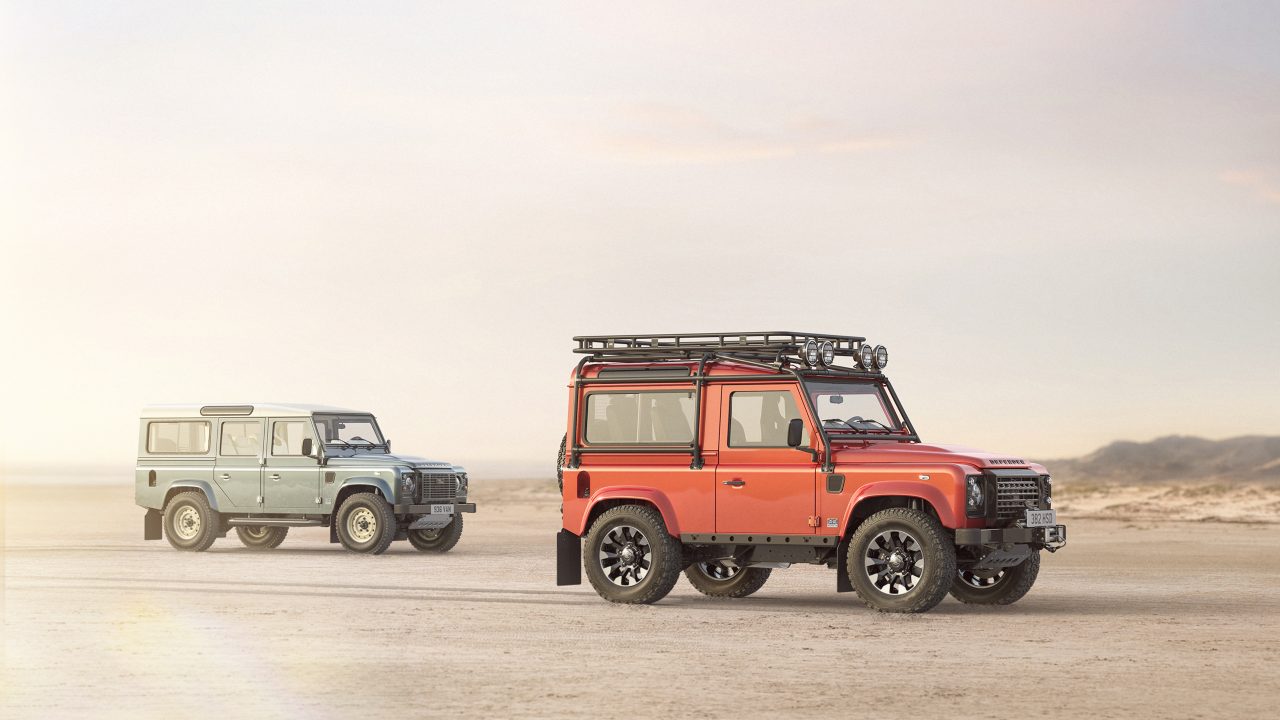
The original Land Rover Defender is the closest thing on this list to a car whose future classic status has already fully arrived. Production ended in January 2016 after 68 years at Solihull, with more than two million built across Series and Defender models combined.
A well-documented Defender bought today will often cost more than the same 4x4 did brand new in the showroom. That is not normal for a used vehicle of any kind, let alone one built to be worked hard and driven through mud.
The final Defender to leave the production line, a Heritage Edition finished in Grasmere Green, carried the registration H166 HUE, a deliberate nod to HUE 166, the registration of the very first Land Rover built in 1948.
Most classics spend their retirement tucked away in garages. With the Defender, enthusiasts often celebrate the ones still wearing the dents and scratches picked up over decades of real work.
Audi R8 (first generation)
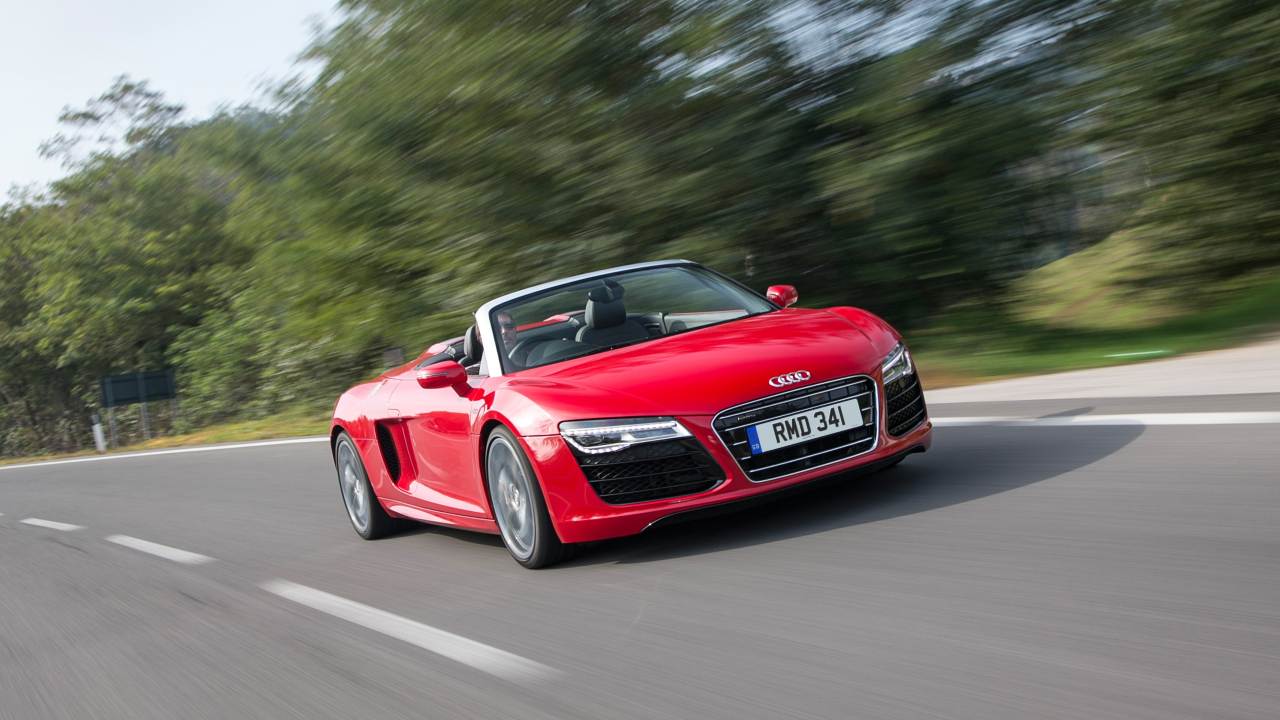
The first-generation R8 did more than launch Audi into the supercar world. It persuaded buyers who would never have thought of Audi to seriously consider one alongside other household names in the supercar world. Few cars have transformed a brand's image so completely in such a short time.
Naturally aspirated V8 and, later, V10 engines were offered, shared in part with the Lamborghini Gallardo built alongside it. A manual gearbox was available for much of the car's early life, a configuration increasingly rare among supercars of any era, let alone today. The open metal shift gate delivers a pleasingly tactile, mechanical experience.
Values for early, manual, V8 examples have firmed up considerably as flappy-paddle automatics have come to dominate the segment. The first-generation R8 still looks strikingly modern for a car now twenty years old.
Jaguar F-TYPE
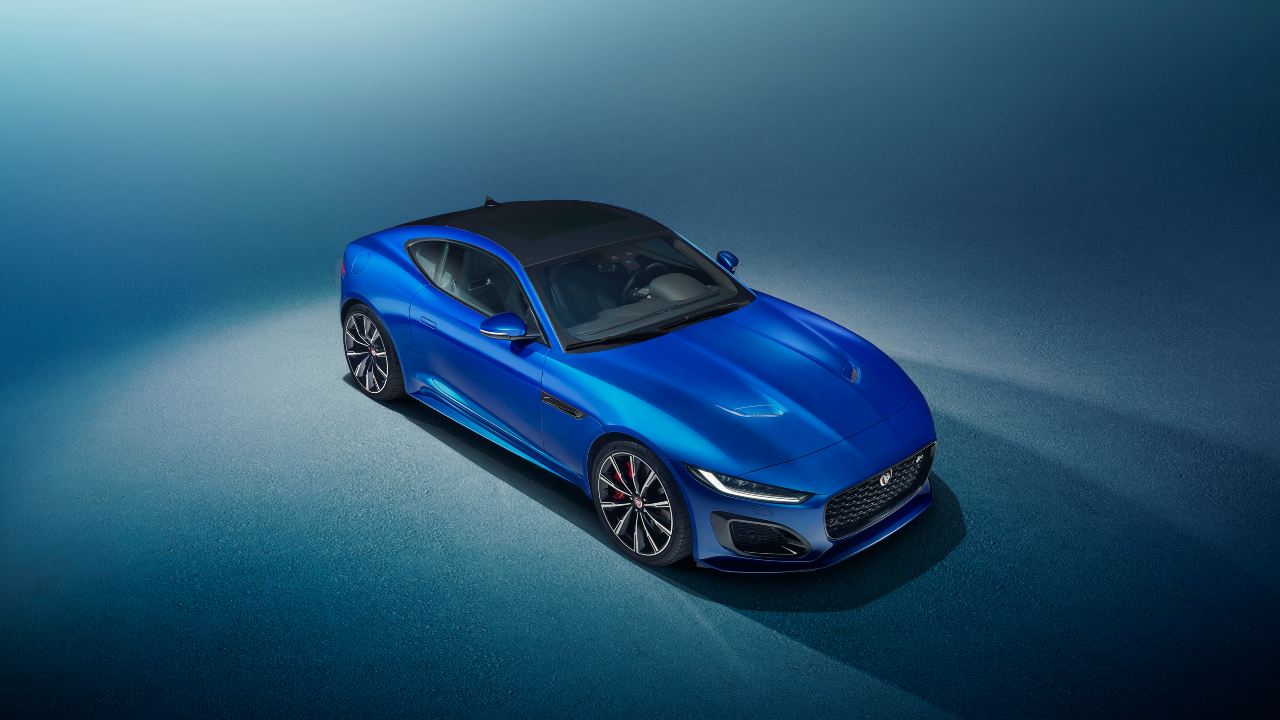
The Jaguar F-TYPE arrived in 2013 as the closest thing ever to a spiritual successor to the iconic E-Type. It is a two-seat sports car built around the same idea of long bonnet, short rear deck and a rasping soundtrack to match. Jaguar actually recorded the F-TYPE's supercharged V8 in a soundproofed chamber before production ended, and then formally archived the recording at the British Library for posterity.
Supercharged V6 and V8 engines were both offered across Coupé and Convertible body styles, with the range-topping SVR version among the fastest and most characterful built. No direct successor followed the F-TYPE. Production ended as Jaguar repositioned itself as an electric-only luxury brand.
That decision alone has done more than anything else to secure the F-TYPE's future classic status. A sports car with no replacement tends to be remembered rather differently to one simply replaced by the next generation.
Aston Martin V12 Vantage (2009-2013)
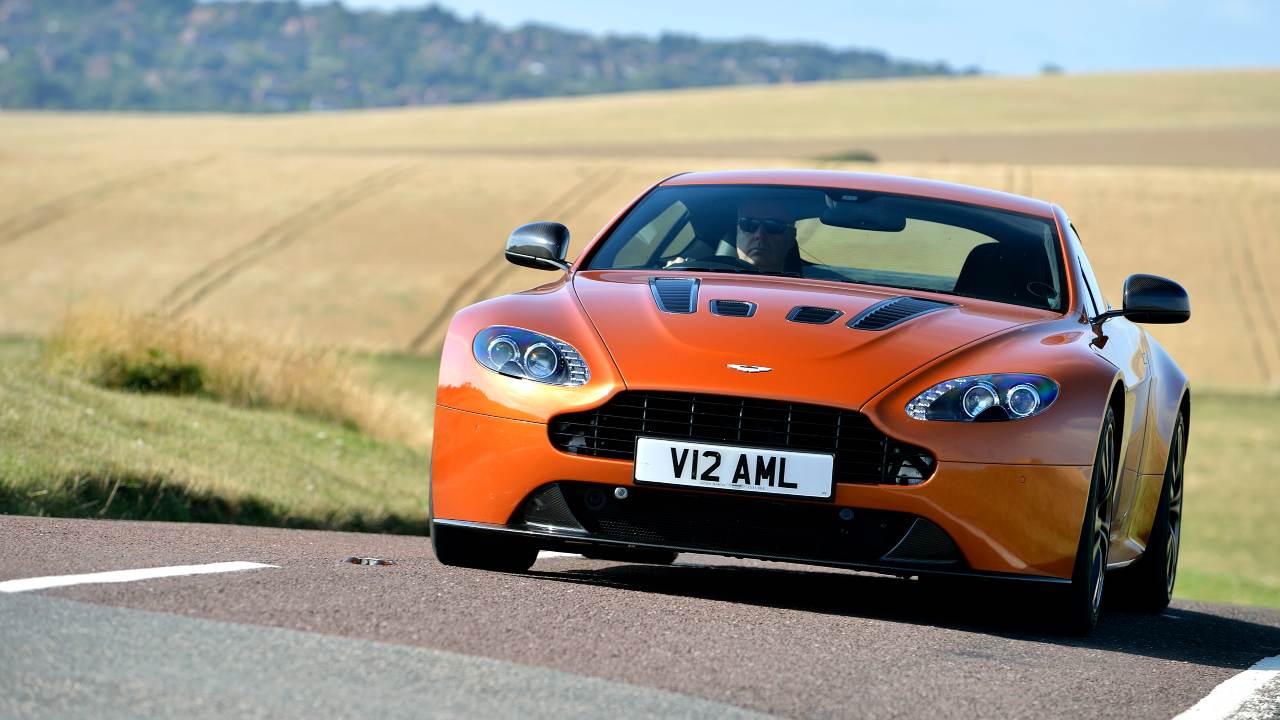
The original Aston Martin V12 Vantage, with just 1,199 built between 2009 and 2013, took the compact Vantage bodyshell and fitted a 6.0-litre naturally aspirated V12 borrowed from the significantly larger DBS. This is a combination Aston Martin has never repeated since, and the engine's extra size and weight forced it to re-engineer the car's aluminium front structure twice, once for the V12 itself and again for US crash regulations.
A manual gearbox was standard throughout production, continuing into the later V12 Vantage S, which finally offered its own seven-speed manual in 2016 shortly before the model's retirement.
Naturally aspirated V12 engines are disappearing under emissions rules, and manual gearboxes are vanishing too as semi- and fully automatic gearboxes take over. A car combining both is unlikely to be built again by any manufacturer, Aston Martin included.
Lotus Emira
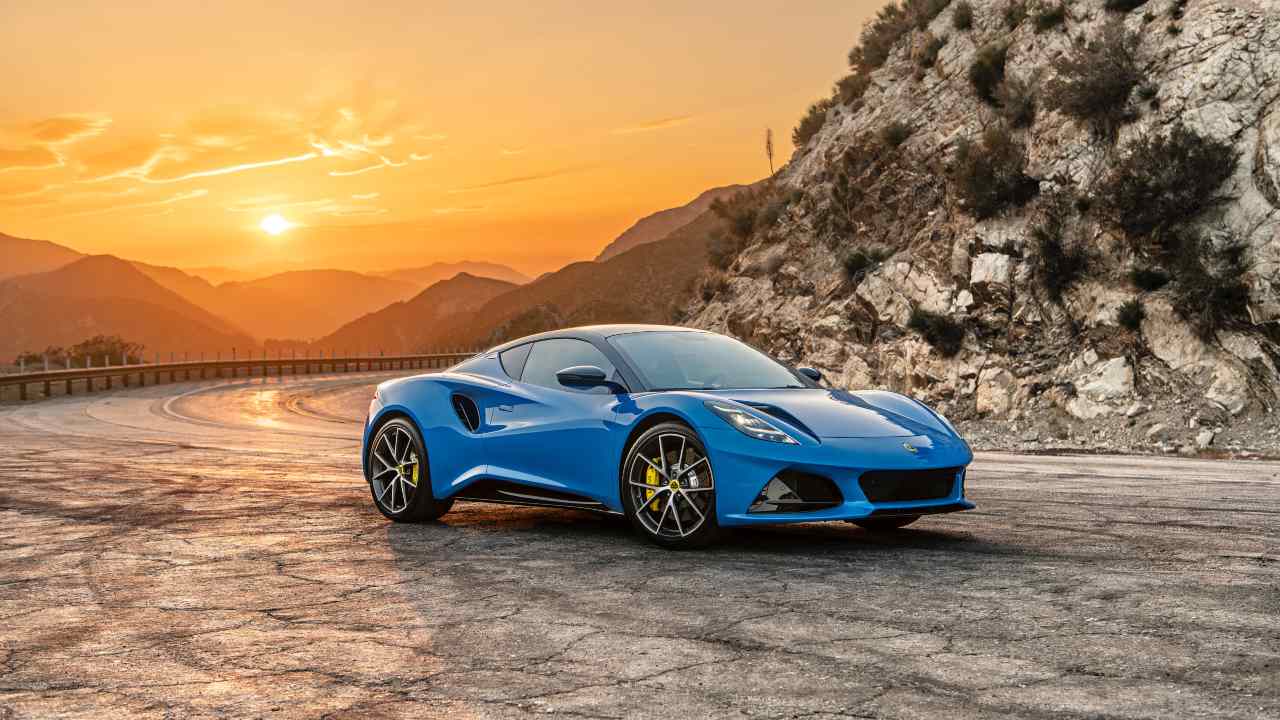
Lotus founder Colin Chapman spent his career arguing that stripping out weight mattered more than adding power, a philosophy every Emira still follows. The V6 SE may be the last version of the car to come with a manual gearbox and a supercharged V6 engine and could mark the end of a special era.
The supercharged 3.5-litre V6 produces 400bhp, sourced from Toyota and shared with the Evora and Exige before it, and remains available with either a six-speed manual or an automatic. Either offer a brilliant driving experience, as expected from the Hethel outfit, but it is the manual that will stand out for the purists out there.
Lotus originally billed the Emira as its last combustion-engined sports car before an all-electric future, a promise that lasted barely four years. Engines change. Gearboxes change. Corporate promises change more often than either. What has not changed is how good it still feels to row through six gears on a road with no traffic on it.
Frequently asked questions
A modern classic is usually a car from the last few decades that has stopped depreciating and started holding, or even increasing, its value. Limited production numbers, strong driver appeal and an engine or gearbox unlikely to be repeated are all common features of a modern classic.
The terms are largely interchangeable, though future classic is often used for a car that has not yet started appreciating but shows the traits likely to lead to it. Modern classic tends to describe a car whose rising values are already established.
Not necessarily. Values can plateau or dip depending on wider market conditions, and no car is guaranteed to appreciate.
Full service history and documented ownership generally matter more to long-term value than low mileage alone. Paperwork gaps are harder to forgive than a few extra miles on the clock.
Find Your Next Modern Classic at Stratstone
Buying a modern classic differs from buying an ordinary used car. Provenance, originality and a documented history all matter considerably more than they would with a standard family hatchback, and getting those details right at the point of purchase can make a real difference further down the line.
Stratstone's specialists have the expertise to help you track down the right car, from a used MINI JCW GP to a carefully sourced Aston Martin V12 Vantage, or a new Lotus Emira V6 SE. Speak to your nearest Stratstone dealership to discuss availability, or browse our current range of new and used cars online.