Jaguar XE vs Jaguar XF
14th May 2026

Jaguar Cars
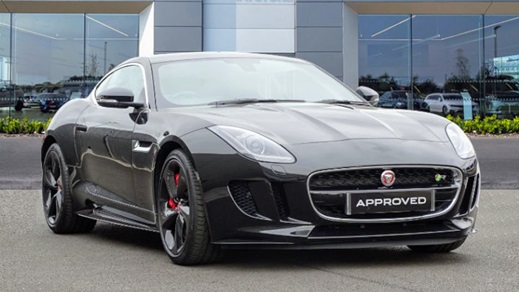
Jaguar have a legacy of creating some properly iconic cars. Models like the E-type, C-type and XK120 are legends of automotive history, and in more recent times the XK and F-TYPE have proven Jaguar has not lost it touch when it comes to creating exciting cars.
Along with sports cars, Jaguar produced some excellent SUVs too, which include the F-PACE and all-electric I-PACE.
And if you do not want a typical German saloon, Jaguar offer two excellent executive alternatives, in the form of the XE and XF.
And that is where this blog looks to focus on. On the face of it, the Jaguar XE and Jaguar XF seem pretty similar. Therefore, we thought it may be useful to express their differences, which could help you decide which car could be the better choice for you, if you are in the market for a Jaguar executive saloon.
Introduction and Design
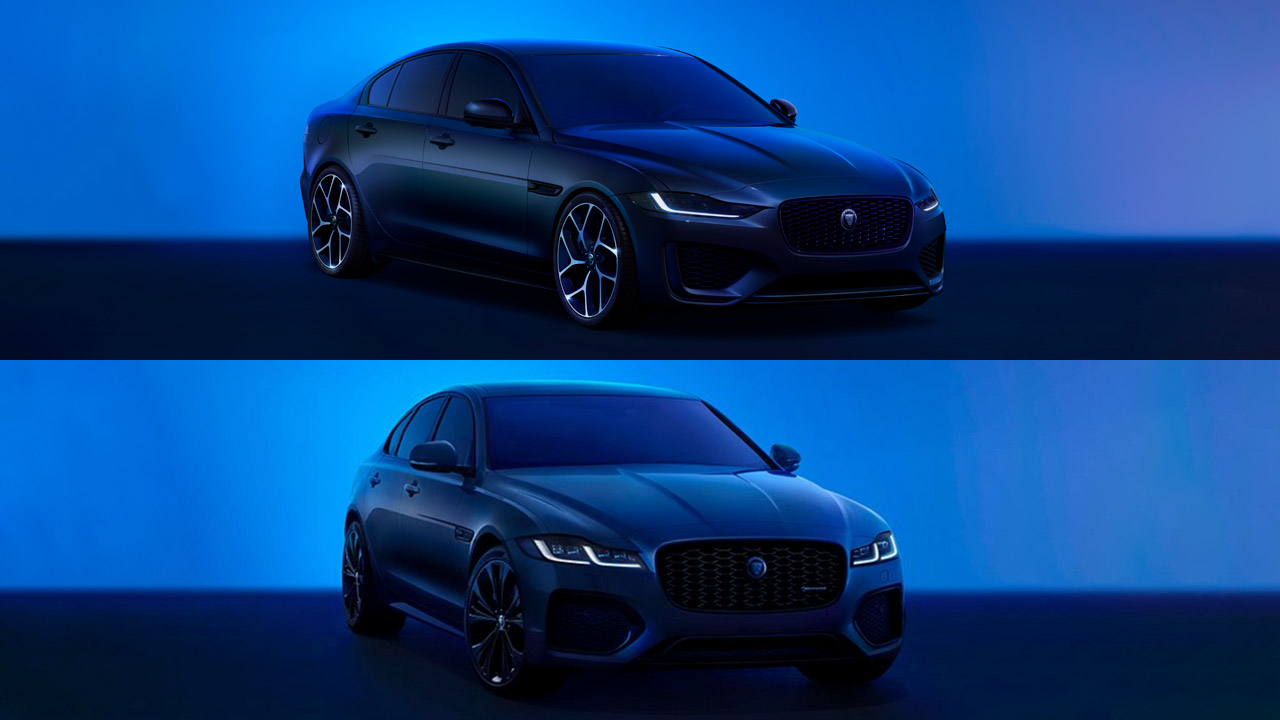
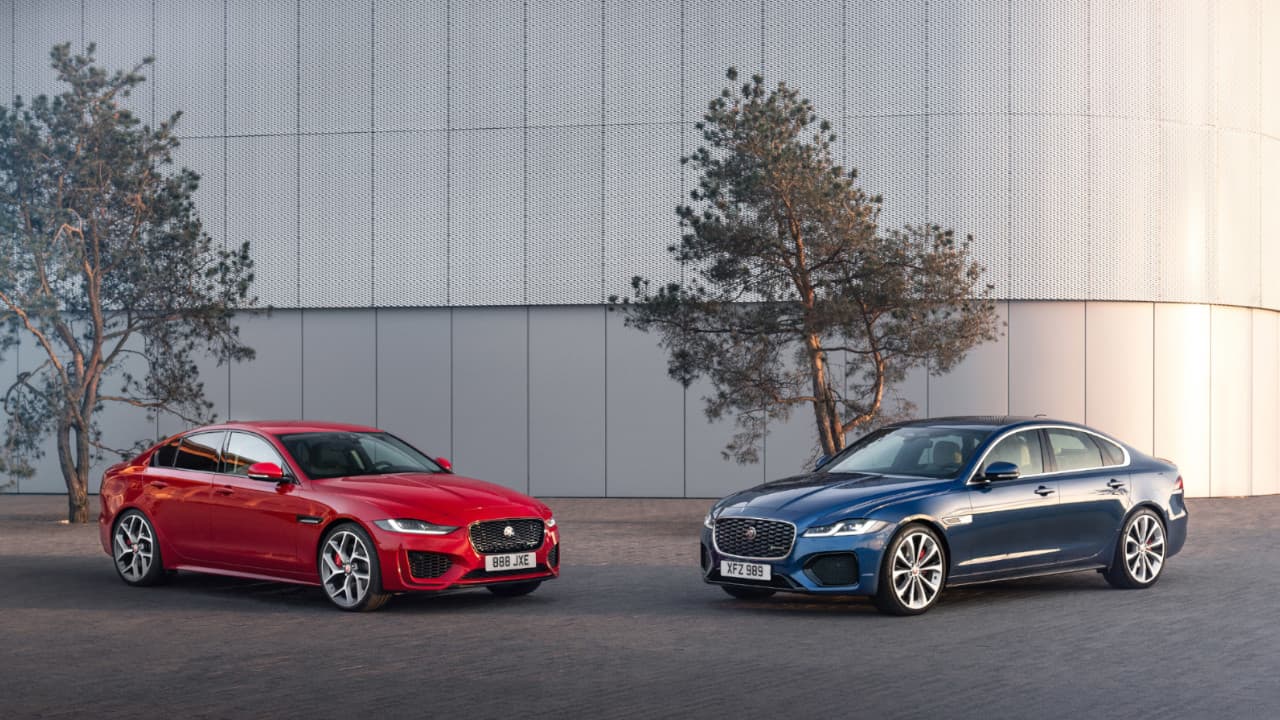
The Jaguar XE (top image above) first appeared in 2015. A second generation version of the Jaguar XF (bottom image above) came along in the same year, after first appearing as a first generation model in 2007. In the following years, both cars received minor updates, especially in 2018/2019 when digital instrument clusters were introduced in top spec models.
At first glance, both the XE and XF look rather similar. This is no bad thing, as they are both from the same manufacturer with both presenting a sophisticated and smart appearance.
In a world where German saloons like the BMW 3 Series and Mercedes-Benz C-Class dominate, the Jaguar XE and XF are for those who want to do things a little differently.
On the face of it, the XE is more compact and has a slightly sportier vibe thanks to its shorter wheelbase, whilst the XF is larger and has a more sophisticated aura about it.
The XE looks to compete against the BMW 3 Series, Mercedes-Benz C-Class and Audi A4, whilst the XF looks to take on the BMW 5 Series, Mercedes-Benz E-Class and Audi A6/A7.
Essentially, the XE is the more compact executive saloon in the Jaguar range, whilst the XF is the larger choice in the line-up; they therefore compete against similar sized rivals.
Versions
Both models feature petrol and diesel engine choices, with the latter being the most common.
XE models tend to be a 2.0-litre petrol or diesel, with a 3.0-litre V6 Supercharged petrol model also available, but it is rare.
Jaguar also offered the XE as a limited editionProject 8 version created by Jaguar SVO. This halo model offered immense levels of power and looked very much like a racing car thanks to its aggressive aero styling. These versions are still much sought after and very special.
XF models also tend to be 2.0-litre in size, available as either a petrol or diesel, but there is much more choice if you are after a 3.0-litre variant. That said, there are both petrol and diesel versions in the larger engine, due to the XF's bigger proportions.
Unlike the XE Project 8, there is not ultra high performance XF. Although the previous generation did have an XF-R which was a much more performance orientated version, which looked to take on the likes of BMW M and Mercedes-Benz AMG.
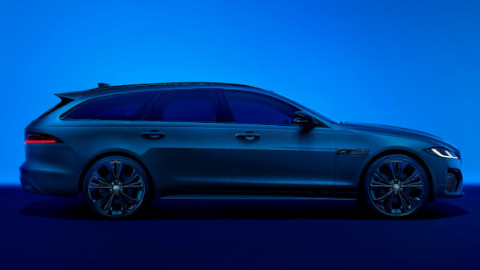
The XF does offer a different bodystyle though. So, if you require even more space, and do not want an SUV, a Jaguar XF Sportbrake - which is Jaguar speak for estate, may be a smart move. These tend to be few and far between but are perhaps one of the most handsome estates available.
Interior and Technology
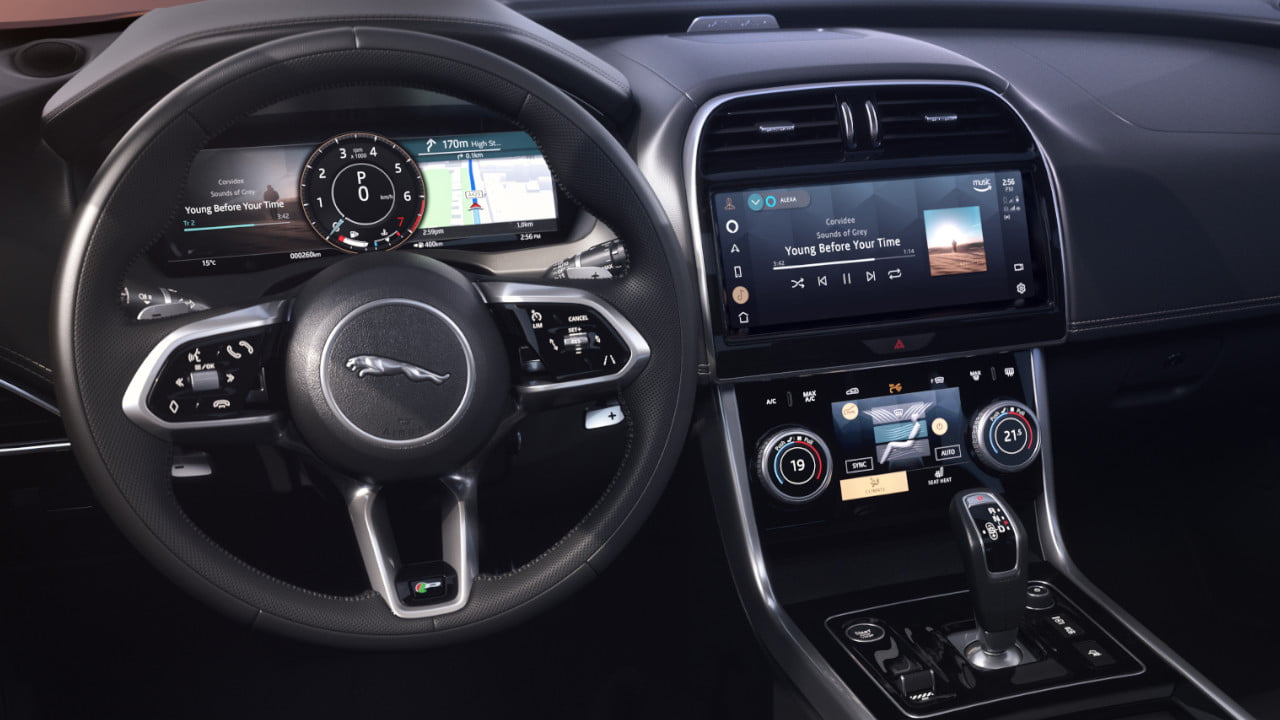
We first saw these variants of the XE and XF in 2015, with the models getting various tweaks after a few years, and to keep up competition with the German marques.
Later models in both models are the most slick and sophisticated, so if you want the best XE or XF, later models offer an enhanced sense of occasion when getting behind the wheel, especially with the latest digital updates. If you prefer analogue dials, then early models may be more your style.
Interestingly, there are no PHEV or electric versions of the XE and XF, whilst BMW and Mercedes-Benz do offer them in their comparative ranges.
Either way, both the XE and XF are pretty similar inside and technology wise. The XF feels a tad more refined on the whole due to its larger size.
Practicality
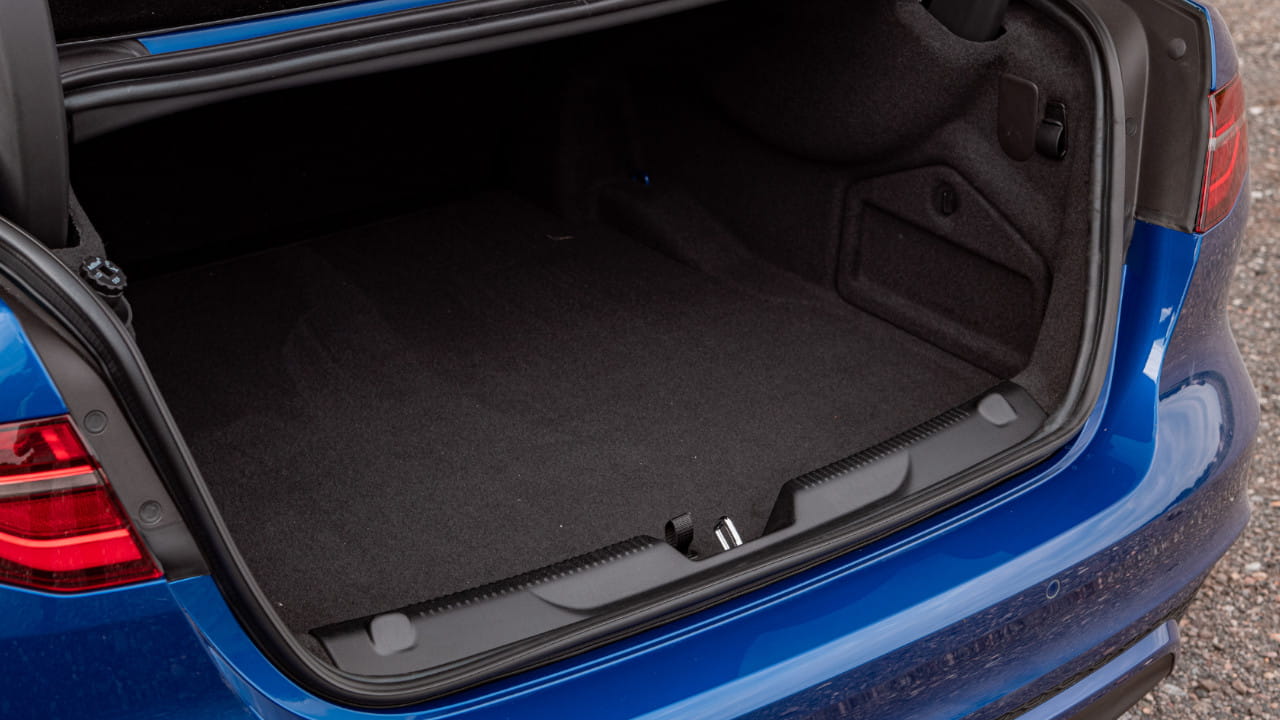
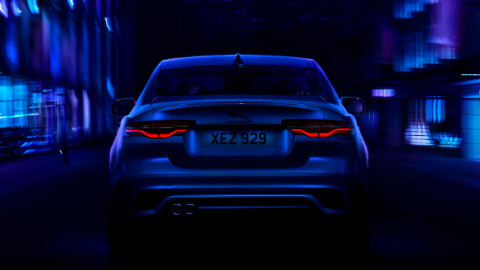
If you are interested in the Jaguar XE, the boot size on offer is 410 litres (pictured above). This is more than a decent amount of space for a car of this class, even if it does fall short of the BMW 3 Series (480 litres) and Mercedes-Benz C-Class (455 litres).
The XF offers an extra 110 litres with 520 litres on offer that the XE, which almost matches the BMW 5 Series (530 litres) and Mercedes-Benz E-Class (540 litres).
Comparing the XE to the XF, the XF offers more space on the whole being the bigger car, with four adults able to get comfy pretty easily. The XE is less practical, with rear space being more of a challenge to get comfortable, especially if you are tall. It is by no means horrendous but the XF is the clear winner if you need more space, as you would expect.
Both are good for what they are though, being classy, premium executive cars.
Value and Final Thoughts
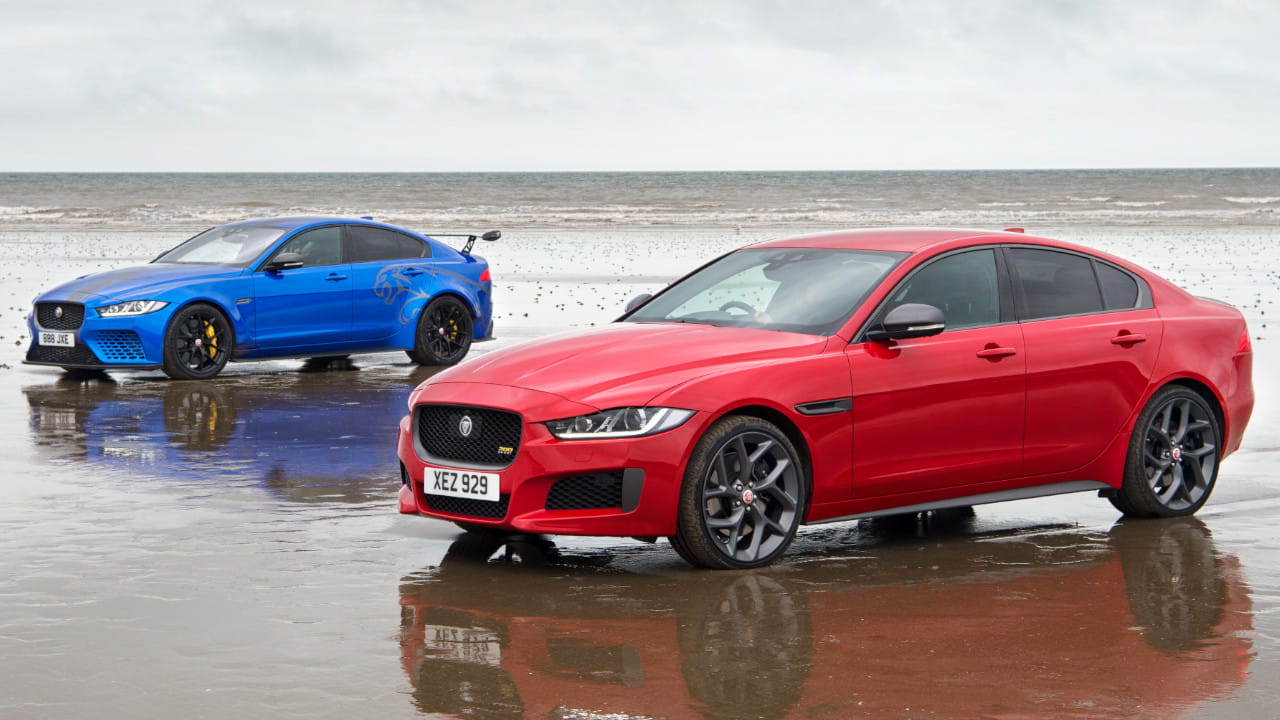
On the face of it, the XE and XF are essentially very similar; just differentiated by size. The same can be said for many cars, with usually higher numbers in their name indicating a bigger car, or in this case, and like Mercedes-Benz, the further along the alphabet, the bigger the car.
But sometimes, smaller cars can actually be a better bet if you only need the space on occasion, rather than all the time. Therefore, if adult passengers are few and far between, the XE would probably be a better bet.
The XE is more compact, and the drive is much sharper thanks to the smaller wheelbase. If practicality is not top of your list, an XE will probably be a better ownership experience for you, whilst if you have a small family, an XF will be much easier to live with, and more refined on the whole.
Back to the regular models, and as both cars have been out a good while now, used Jaguar XE and used Jaguar XF models can be properly tempting. Of course, high mileage examples can be had cheap, but are probably best avoided, unless you find a cherished example.
In a world where German saloons dominate, an executive saloon Jaguar is a great alternative choice for a company or family car which will not see you disappointed.
Frequently asked questions
The short answer is yes, the Jaguar XE is a good, reliable car with luxurious underpinnings. The XE holds its own amongst competitors like the Audi A4, BMW 3 Series or Mercedes-Benz C-Class.
The Jaguar XF is a great car offering practical styling with plenty of boot space, efficient performance and luxury interior features. This means it can compete with the German alternatives like the BMW 5 Series, Mercedes-Benz E-Class and Audi A6.
As a part of Jaguar's shift to a new line-up Jaguar made the decision to stop production on all existing models including the XE, XF, E-Pace, and XJ. This means only used examples are available. Approved-used vehicles offer a range of benefits including lower costs, a click and collect service and finance packages tailored to your individual needs.
Jaguars offer a range of powertrains, including petrol, diesel, hybrid and electric. As is always important when purchasing any used vehicle whether it's a car or a van, ensuring it's been properly maintained and regularly serviced is crucial to the reliability of the vehicle. When purchasing a Used Jaguar from Stratstone, our team conducts a rigorous preparation process to ensure the vehicle is of the highest quality. We also offer servicing plans tailored to you, and your car.
Find your perfect Jaguar at Stratstone
No matter if you choose a Jaguar XE or Jaguar XF, both are great cars and are fantastic executive saloons that offers sophistication, class and decent technology.
Our Stratstone Jaguar retailers are on hand to help you find your perfect example. With our comprehensive network of retailers across the UK, finding your preferred Jaguar retailer is simple.