Luxury Cars with Low Road Tax in 2026
27th Apr 2026

Road tax — officially known as Vehicle Excise Duty (VED) — has recently undergone some of the most significant changes in a generation. That explains why a growing number of buyers now research tax before they even shortlist cars — a shift from just a few years ago, when it was often treated as an afterthought in the buying process.
Following reforms introduced in April 2025, electric vehicles are now subject to VED for the first time, while first-year rates for higher-emission cars have risen sharply.
Perhaps most importantly, the expensive car supplement (commonly known as the luxury car tax) now applies to far more vehicles, adding £425 per year for five years on top of the standard rate for cars originally listed at or above £40,000 or £50,000 for electric vehicles.
The good news? There are still plenty of ways to keep your annual tax bill in check — particularly if you know where to look. From EVs carefully priced beneath the £50,000 EV luxury supplement threshold, to PHEVs with impressively low CO₂ figures and used models that are fully exempt from the expensive car charge, the options are broader than you might think.
Below, we have rounded up ten of the best cars with low road tax, starting with the most accessible and working up to the more aspirational end of the spectrum.
- MINI Cooper Electric
- smart #1
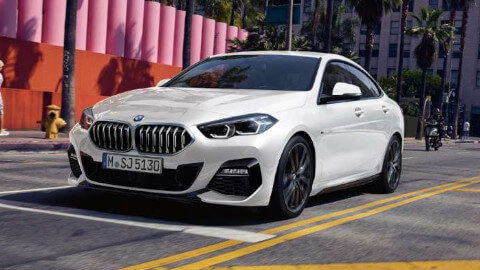
- BMW 1 Series
- BMW 3 Series
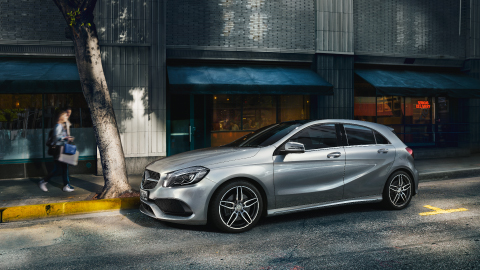
- Mercedes-Benz C-Class
- Mercedes-Benz EQA
- Volvo XC60 Recharge
- BMW iX1
- Jaguar I-PACE
- Porsche Taycan
MINI Cooper Electric
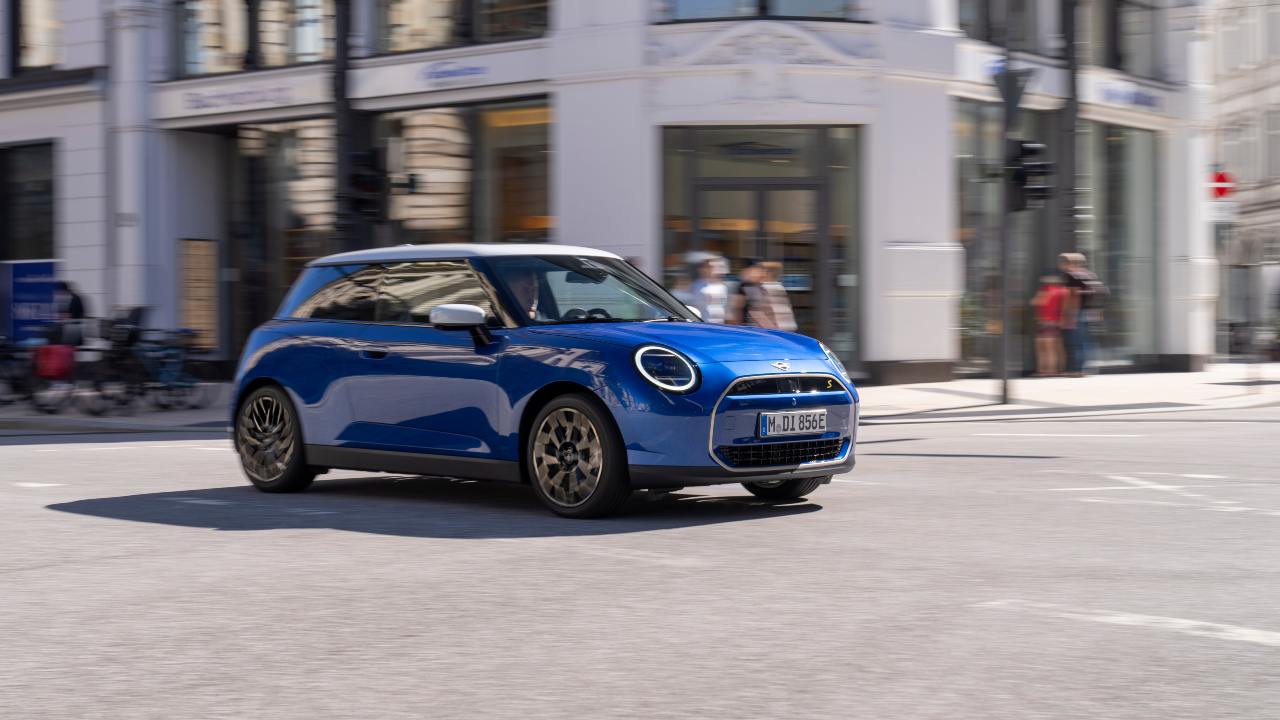
Road Tax: £10 first year, then £200 per year (standard rate). List price comfortably beneath both supplement thresholds.
The MINI Cooper Electric is the ideal starting point for anyone looking to minimise their annual road tax bill without sacrificing a premium feel. As it is well below the thresholds, after the £10 first-year rate, you will pay the £200 standard rate each year and nothing more.
Beyond the tax benefits, the MINI Cooper Electric is simply a superb small car. The latest generation sits on a dedicated EV platform, delivering a characteristically agile driving experience that MINI has always been known for. The Cooper SE variant offers up to 250 miles of range, while the interior blends a modern circular display with a premium material quality that punches well above its entry-level price point.
Search New MINI Cooper Electric Search Used MINI Cooper Electricsmart #1
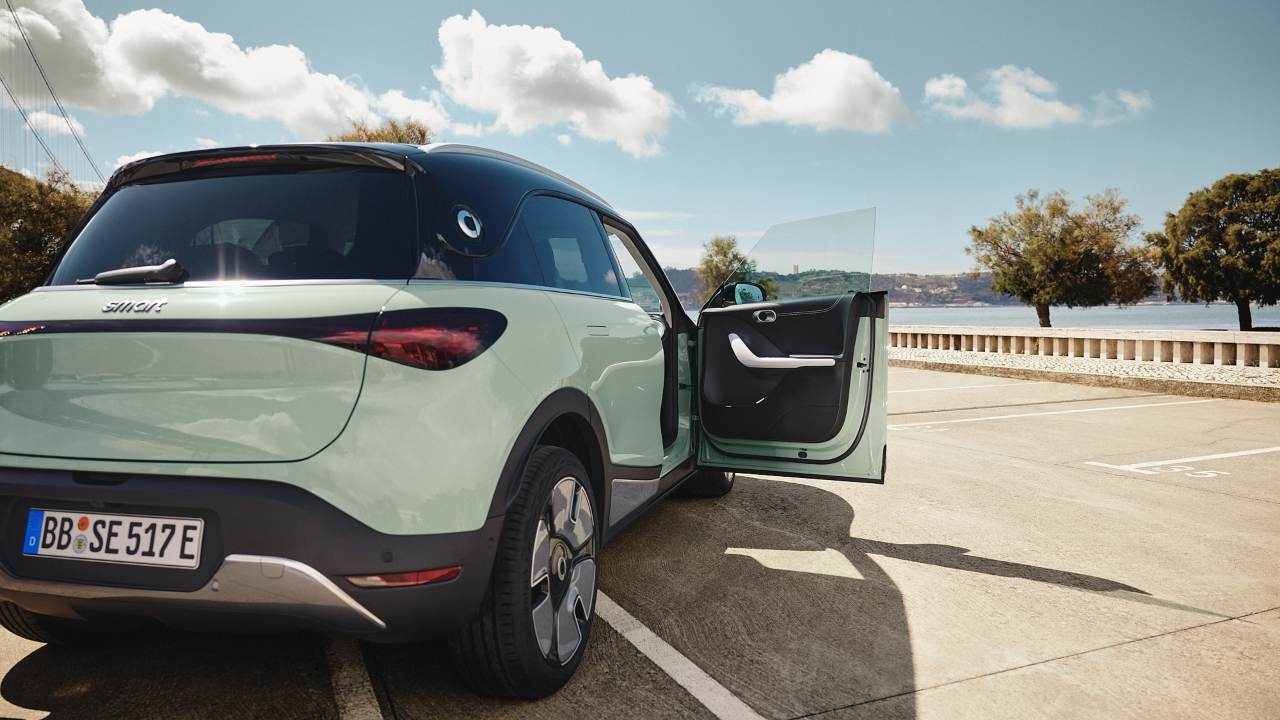
Road Tax: £10 first year, then £200 per year (standard rate). Most models are under £40,000, which means they are exempt from the luxury car supplement.
smart, once synonymous with two-seat city cars small enough to park nose-in to the kerb, has reinvented itself as a maker of practical electric SUVs. With the majority of the range well beneath the luxury supplement threshold, you pay just the standard £200 annual rate after an initial £10 first-year charge. Compact SUVs are among the easiest segments to accidentally overspend in, which is why models that sit just below key tax thresholds are becoming increasingly popular with cost-conscious buyers.
Co-developed with Geely and benefiting from strong Mercedes-Benz DNA in its design and cabin quality, the smart #1 offers a refined feel alongside a claimed range of up to 273 miles. Standard equipment across the range is generous, with even the entry-level Pro coming with 19-inch alloys, a 360-degree camera, adaptive cruise control and dual-zone climate control. If you want all the prestige of a premium-feeling EV without the premium VED bill to match, this is an appealing option.
Search New smart #1 Search Used smart #1BMW 1 Series
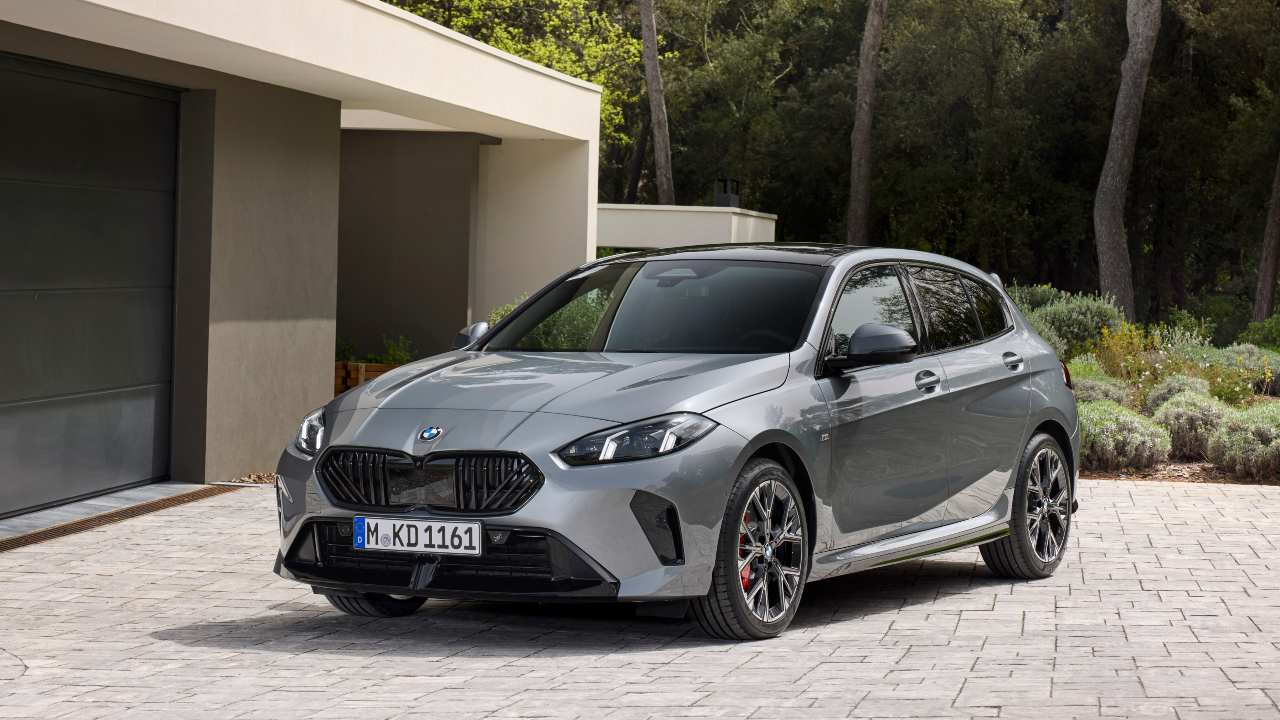
Road Tax: £220 first year, then £200 per year (standard rate). Base price well under £40,000 and fully exempt from the luxury car supplement when carefully specified.
With BMW a serial winner of industry fleet manufacturer awards, it is easy to see how a carefully chosen 1 Series can be one of the smartest low-tax decisions for a private or business buyer who still wants the refinement and engagement of petrol power. The 118i's efficient 1.5-litre three-cylinder engine produces around 136bhp and emits as little as 122g/km of CO₂. This places it in a sensible first-year VED band before settling on the £200 standard annual rate after that.
With the 1 Series starting well below the £40,000 expensive car threshold in its base configurations, the luxury supplement can be avoided altogether with careful specification. In terms of the car itself, the current 1 Series is precise, comfortable and brimming with quality materials and technology. This is a premium hatchback that happens to be one of the most tax-intelligent new cars on the market — proof that the two things don't have to pull in opposite directions.
Search New BMW 1 Series Search Used BMW 1 SeriesBMW 3 Series
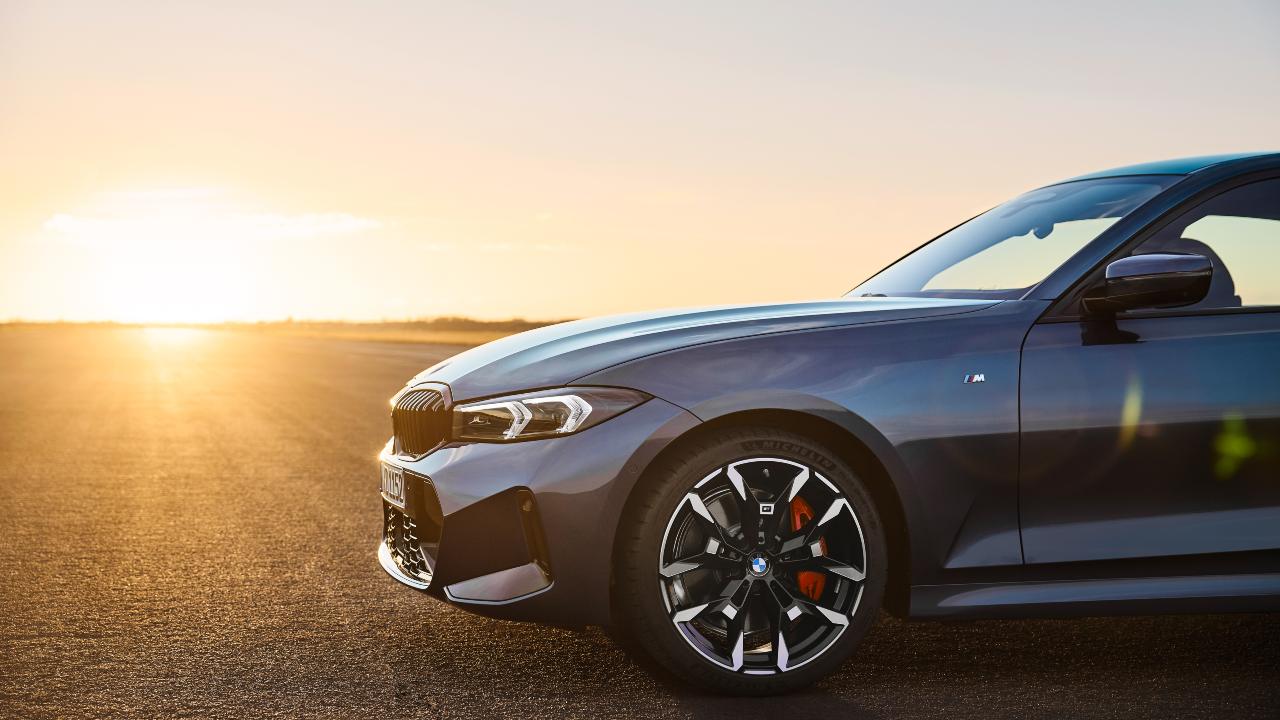
Road Tax: £10 first year (1–50g/km band), then £200 per year at the standard rate. All models exceed £40,000, so the luxury supplement of £425 applies in years two to six.
The BMW 3 Series, specifically the 330e, is the plug-in hybrid story done properly. Following the 2024 update, the 330e’s battery capacity was almost doubled, boosting its official all-electric range to an impressive 62 miles and cutting CO₂ emissions to as little as 19g/km. That exceptionally low figure means it qualifies for the reduced first-year VED rate of just £10 — a remarkable stat for a car of this calibre.
Yes, the 330e sits above the £40,000 threshold. This means an extra £425 on top of the standard rate each year, from year two right through to year six. However, for company car drivers, the picture is more interesting with exceptionally low CO₂ figures and a highly competitive Benefit-in-Kind bracket, which represents a substantial monthly saving over a comparable diesel or standard petrol 3 Series.
The 330e remains one of the most compelling all-round executive cars on the market — combining 3 Series dynamics and practicality with genuinely low running costs.
Search New BMW 3 Series Search Used BMW 3 SeriesMercedes-Benz C-Class
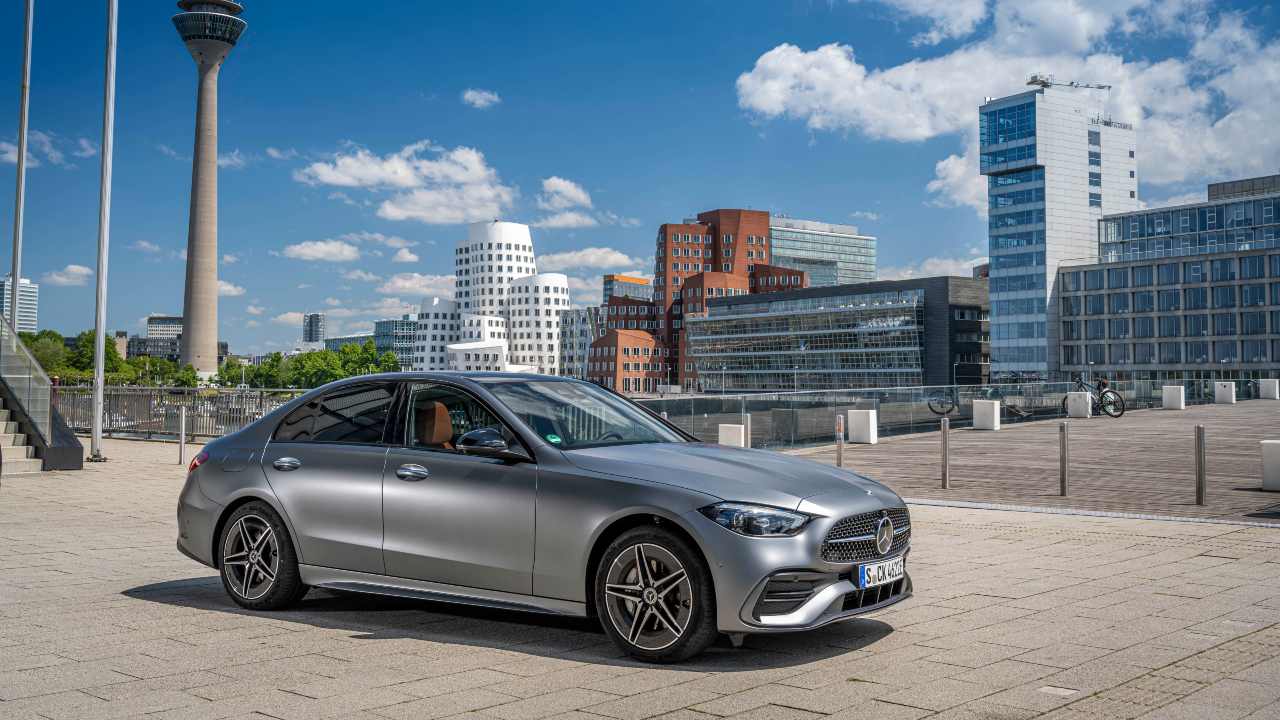
Road Tax: £10 first year, then £200 per year at the standard rate. All models exceed £40,000, so the £425 luxury supplement applies in years two to six.
If you have read the BMW 3 Series entry and found yourself tempted, it is worth pausing here — because the Mercedes-Benz C-Class C300e is its most natural rival, and the two cars serve subtly different needs. Both qualify for the lowest possible first-year VED rate of £10, and both sit in a highly competitive Benefit-in-Kind bracket, making them compelling choices for company car drivers. Where the C300e edges ahead on paper is all-electric range — up to 71 miles compared to the 330e's 62, which, for drivers whose tax bill is directly tied to electric capability, is a meaningful distinction worth factoring into your decision.
The C300e makes its strongest case in real-world usability — 71 miles of official electric range means a typical daily commute can pass without the petrol engine waking at all, and the cabin wraps you in the kind of unhurried, S-Class-adjacent luxury that makes every journey feel deliberate. In a segment that can feel worthy rather than desirable, the C300e is one of the few PHEVs that really does tempt you to drive it — not just tax it.
Search New Mercedes-Benz C-Class Search Used Mercedes-Benz C-ClassMercedes-Benz EQA
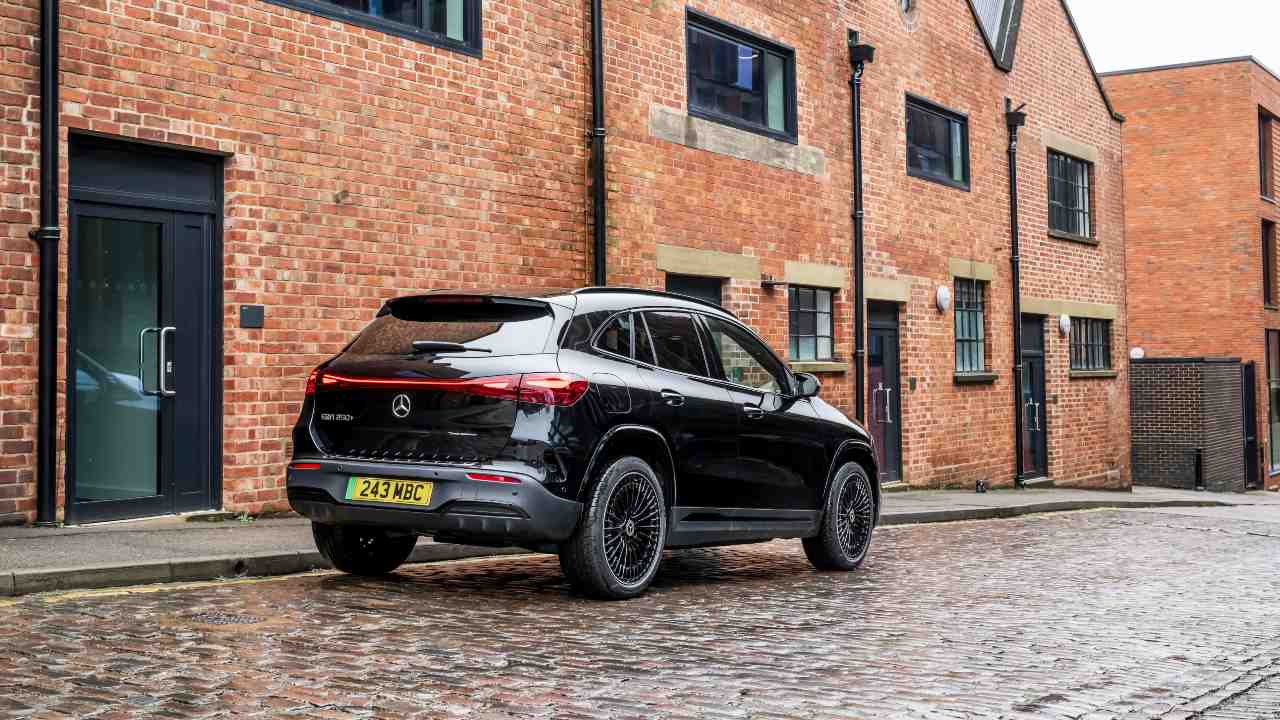
Road Tax: £10 first year, then £200 per year at the standard rate. Entry models sit just beneath the £50,000 EV luxury threshold — keeping annual VED at the standard rate with careful specification.
The Mercedes-Benz EQA is where premium electric motoring starts to feel genuinely attainable from a tax perspective. In a segment where it is remarkably easy to tip over the £50,000 EV supplement threshold, the entry-level EQA manages to sit just beneath it — meaning close attention to specification can avoid the additional charge entirely and keep annual VED at the standard £200 rate.
The EQA is a refined compact electric SUV, offering a claimed range of up to 264 miles. The interior quality and technology are exactly what you would expect from Mercedes-Benz. The cabin borrows heavily from the GLA that it is based on, which means a well-crafted feel, an impressive twin-screen infotainment system and comprehensive safety technology as standard. It is worth emphasising that options can push the car beyond the supplement threshold — so careful specification is absolutely key.
Search New Mercedes-Benz EQA Search Used Mercedes-Benz EQAVolvo XC60 Recharge
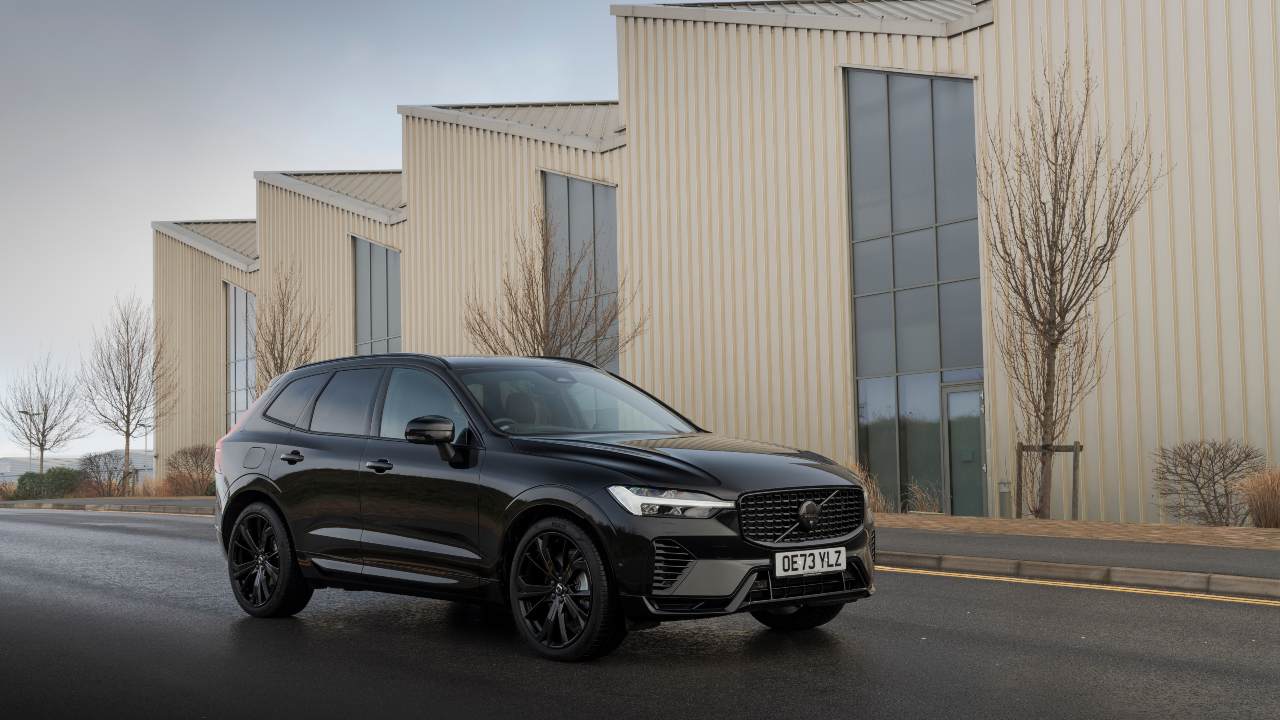
Road Tax: £10 first year (1–50g/km PHEV band), then £200 per year at the standard rate. All models above £40,000, so the £425 luxury supplement applies in years two to six.
The Volvo XC60 Recharge plug-in hybrid is the family SUV that makes a surprisingly strong case on running costs. CO₂ emissions of just 23g/km mean it qualifies for the lowest £10 first-year VED rate, and it attracts just 9 percent Benefit-in-Kind for company car drivers. This is dramatically lower than a comparable diesel SUV. Like the BMW 330e, all XC60 Recharge models exceed the £40,000 threshold, so the £425 luxury supplement applies from year two, but the overall running cost profile is still appealing.
What the XC60 Recharge brings to the table beyond its tax credentials is substantial. It is a spacious and beautifully appointed family SUV with a claimed all-electric range of up to 49 miles on the T6 variant. Many XC60 Recharge owners find they do most weekday driving on electric power alone — turning what looks like a large, expensive SUV into something surprisingly efficient in daily use. The interior is Scandinavian in design and built to a standard that matches anything from the German premium brands. Few other cars manage to combine family practicality, premium quality and smart VED management quite as effectively.
Search Used Volvo XC60 RechargeBMW iX1
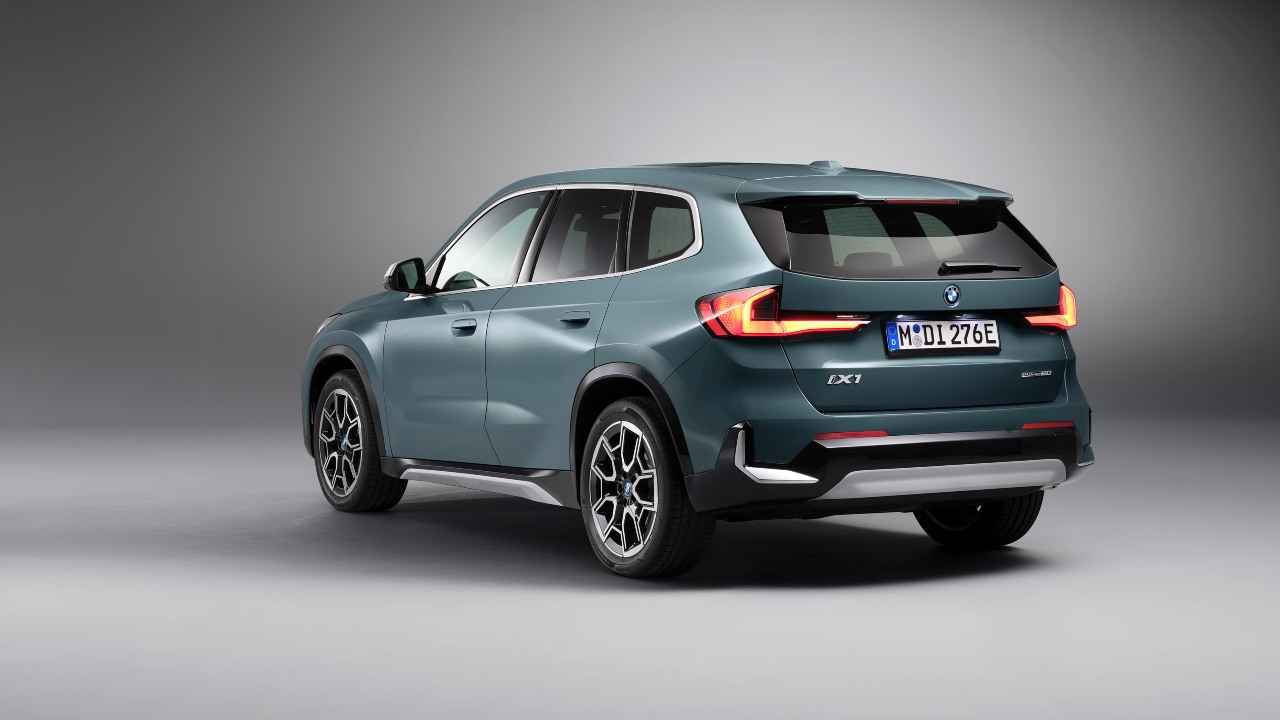
Road Tax: £10 first year, then £200 per year at the standard rate. Entry models beneath the £50,000 EV luxury supplement threshold.
The BMW iX1 is one of the most important cars in the context of the £50,000 EV luxury supplement threshold, and represents excellent value as a result. Entry models can be specified beneath the threshold that triggers the additional £425 annual charge. This makes it one of the very few premium electric SUVs where the supplement can be avoided on a new car.
Based on the highly regarded X1 platform, the iX1 offers impressive SUV practicality with a 490-litre boot. This is larger than the boot of a BMW 3 Series Saloon. For buyers who dismiss electric SUVs as impractical, that is a meaningful counterpoint.
The car is powered by a twin-motor all-wheel-drive system with up to around 290 miles of range on a single charge, depending on the variant. The cabin is a step up from its predecessor, with BMW's latest iDrive infotainment system and a high-quality finish. In a market where premium electric SUVs and elevated tax bills tend to arrive together, the iX1 is one of the few that lets you have one without the other.
Search New BMW iX1 Search Used BMW iX1Jaguar I-PACE
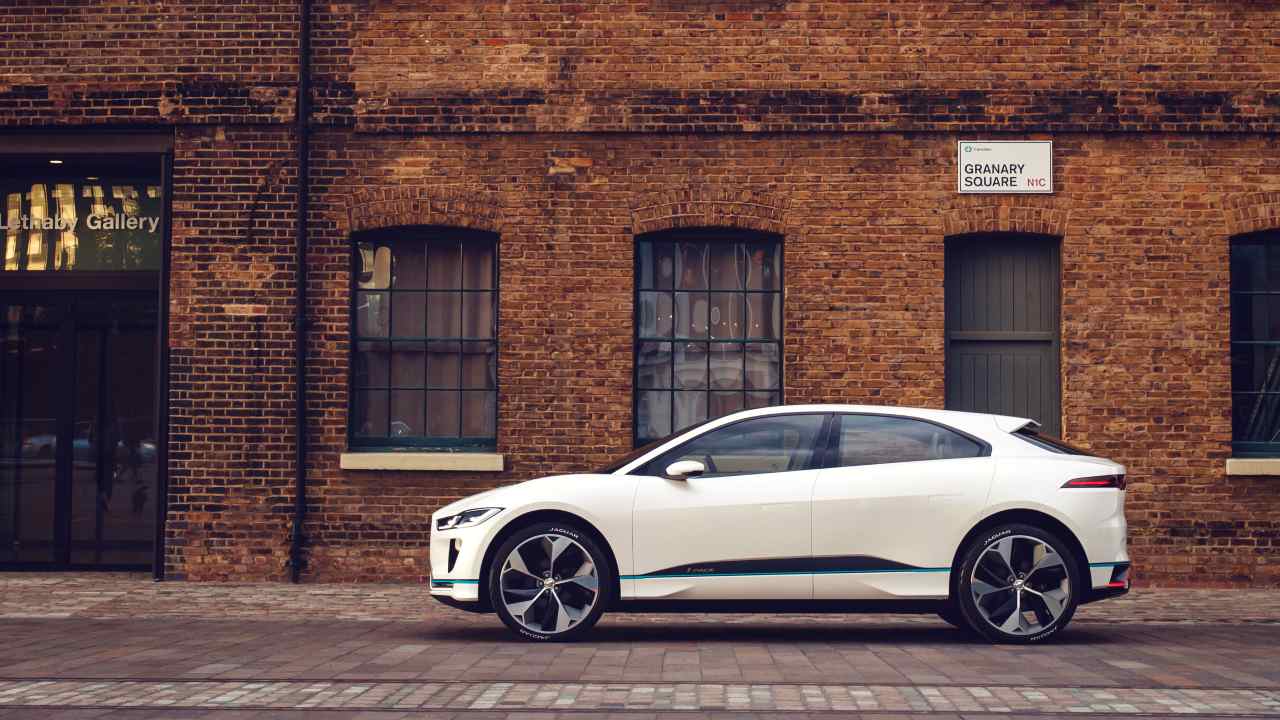
Road Tax: £200 per year, standard rate only. Models registered before 1 April 2025 are permanently exempt from the expensive car supplement, regardless of their original list price.
This is arguably the most compelling tax story in this entire guide. The Jaguar I-PACE was produced between 2018 and 2024 — a car that, had it been registered after April 2025, would attract the full £425 luxury supplement every year. But here is the crucial point: EVs registered before 1 April 2025 are permanently exempt from the expensive car supplement. That rule is not being backdated. A used I-PACE from this era pays just £200 per year in VED, full stop.
The I-PACE won 62 international awards during its lifetime, including European Car of the Year in 2019 — the first Jaguar ever to claim that accolade. This performance SUV is a beautifully designed vehicle with up to 292 miles of range, twin electric motors producing a combined 395bhp and delivering a 0 to 62mph time of just 4.8 seconds. Used examples represent outstanding value in today’s market, with the supplement exemption making them even more appealing from a running cost perspective.
Search Used Jaguar I-PACEPorsche Taycan
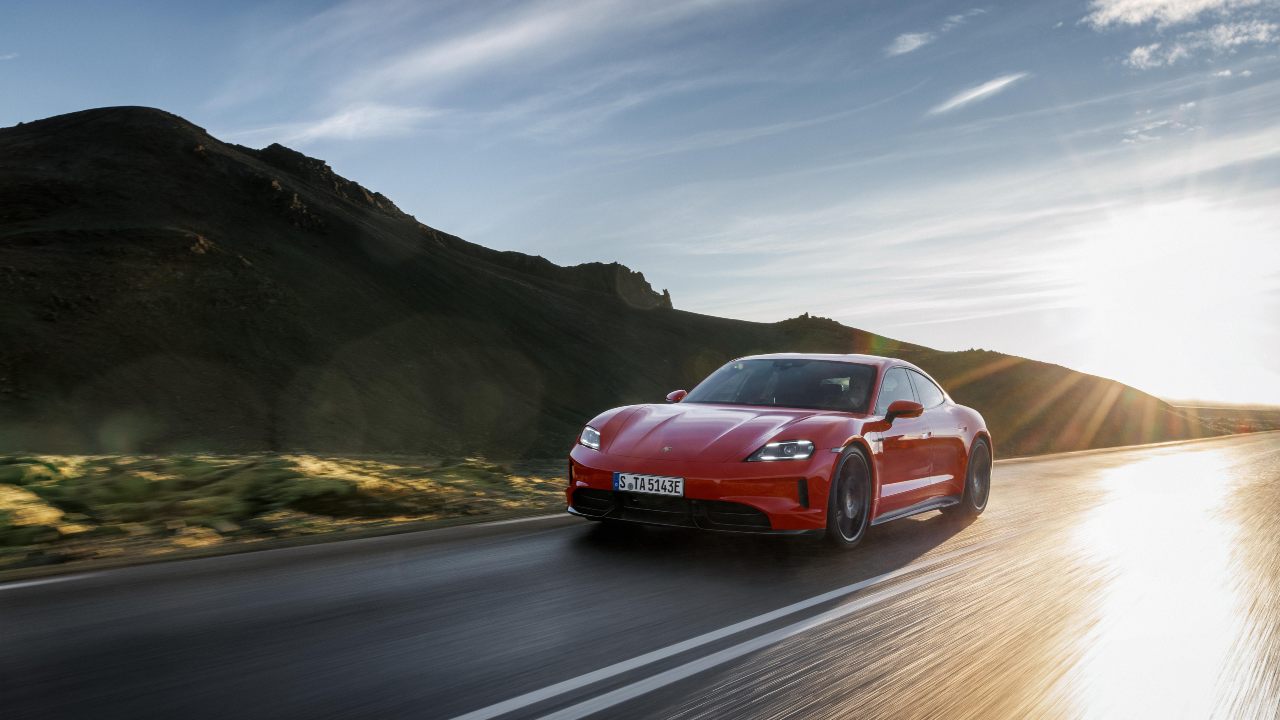
Road Tax: £10 first year, then £625 per year (standard rate + £425 luxury supplement) for models above £50,000. Still far less than the equivalent petrol performance car.
£625 a year in VED is hard to describe as low in absolute terms, even if it is relatively favourable for a car of this calibre. However, the Porsche Taycan warrants the final place on our list as it reframes expectations about what "low tax" means at the premium end of the market.
A comparable petrol performance saloon — say, a Porsche Panamera in standard petrol form — will generate considerably more CO₂, significantly higher first-year VED rates and a fuel bill that dwarfs what the Taycan costs to charge. The Taycan also benefits from a class-leading BIK rate of just 4 percent for company car drivers, placing it at the very bottom of the company car tax scale. Compare that with a comparably-priced petrol performance saloon sitting in the 37 percent BIK band, and the monthly difference in company car tax alone can run to many hundreds of pounds. That is not a typo.
If you are in the market for elite performance, the Taycan remains one of the most intelligent choices from a whole-life-cost perspective — luxury supplement and all.
Search New Porsche Taycan Search Used Porsche TaycanFrequently asked questions
For a new car registered from April 2025, the lowest first-year VED rate is £10, which applies to electric vehicles. From the second year onwards, the standard rate for most cars (registered after April 2017) is £200 per year. If you are buying a used EV that was registered before April 2025, you will pay £200 per year with no supplement, regardless of the car’s original price.
What is the luxury car supplement, and how does it impact my road tax?
The expensive car supplement — sometimes called the luxury car tax — is an additional £425 per year added on top of the standard VED rate for cars with a list price above £40,000 (or £50,000 for electric vehicles). It applies in years two to six of the car’s life. For petrol, diesel and hybrid cars, the £40,000 threshold remains unchanged, while the higher £50,000 threshold for EVs is designed to reflect the typically higher purchase cost of electric models.
Generally speaking, yes — particularly once you look beyond the first year. New EVs pay just £10 in their first year of VED, then move to the £200 standard annual rate. For petrol and diesel cars, first-year rates are significantly higher for most models — anything above 100g/km of CO₂ will cost at least £405 in year one, rising to thousands for higher-emission vehicles. PHEVs with low CO₂ figures also benefit from reduced first-year rates, making them a particularly effective option for cost-conscious buyers.
This depends on when the car was first registered. EVs registered before 1 April 2025 are permanently exempt from the expensive car supplement, regardless of their original list price. EVs registered on or after 1 April 2025 are subject to the supplement if their list price exceeds £50,000. This makes used EVs from before the April 2025 cutoff particularly good value — as illustrated by the Jaguar I-PACE entry in this guide.
Discover your next car with Stratstone
The most tax-efficient car is not always the cheapest to buy — but it is often the one that has been chosen with a clearer understanding of how ownership costs add up over time. As tax rules evolve — and make no mistake, they will continue to do so — the advantage increasingly goes to informed buyers. Knowing where the thresholds sit — and how to stay on the right side of them — can make a bigger difference now than ever before.
Browse our latest stock of new and approved used cars at Stratstone, or contact your nearest dealership to discuss the right model for your budget and lifestyle. Whatever you drive away in, we will make sure you do so with a clear understanding of what it will cost you to keep it on the road.