German car manufacturing carries a reputation built over more than a century of precision engineering. Karl Benz filed the patent for the first true automobile in Germany in 1886. Two years later, his wife Bertha secretly drove it 66 miles to prove it worked, becoming the first person on record to complete a long-distance car journey.
The country now produces more premium vehicles than any other in Europe, with manufacturers that consistently rank among the most highly regarded names in the industry for build quality, safety and technology. Mercedes-Benz, BMW, Audi, Porsche, Volkswagen, MINI and smart each bring a distinct engineering philosophy, from comfort and refinement through to outright performance and sharp design.
This guide breaks down the different merits of all these major German manufacturers, along with the sportier sub-brands that sit alongside them.
- Mercedes-Benz
- BMW
- Audi
- Porsche
- Volkswagen
- MINI
- smart
- Which is the Best?
- FAQs
Mercedes-Benz
Key strength: Luxury
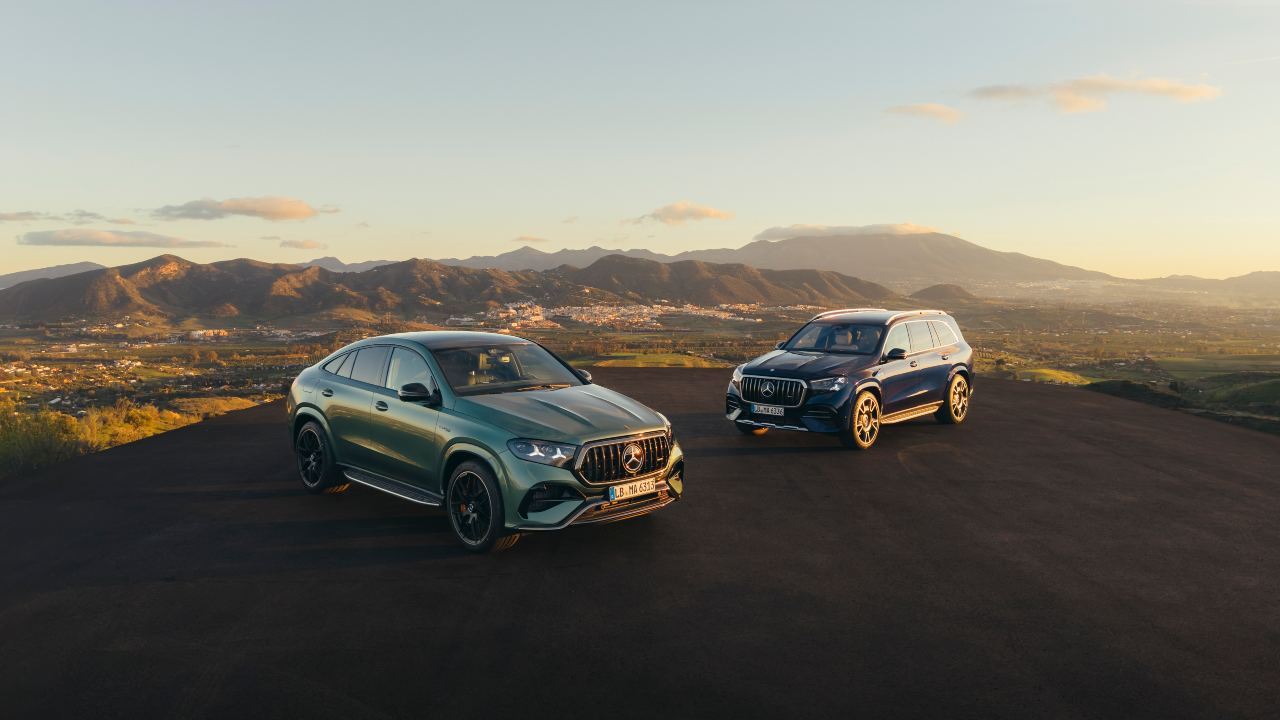
Mercedes-Benz has spent decades convincing buyers that luxury is not just about leather seats — it is about engineering. Features like ABS, airbags and advanced driver-assistance systems often reached mainstream cars only after appearing first in a Mercedes-Benz flagship model.
Cabins lean into soft-touch materials, ambient lighting and some of the most advanced infotainment systems available. The MBUX system remains a benchmark for voice control and touchscreen response, and models such as the S-Class and EQS show how far in-car technology has progressed.
This can all come at a price, though. Mercedes-Benz models carry a premium at every trim level, and options can add up quickly on higher-spec cars.
AMG operates as the brand's in-house performance division, elevating models such as the C63 and SL. Maybach sits above the standard range, built for buyers seeking the ultimate in refinement.
BMW
Key strength: Driving dynamics
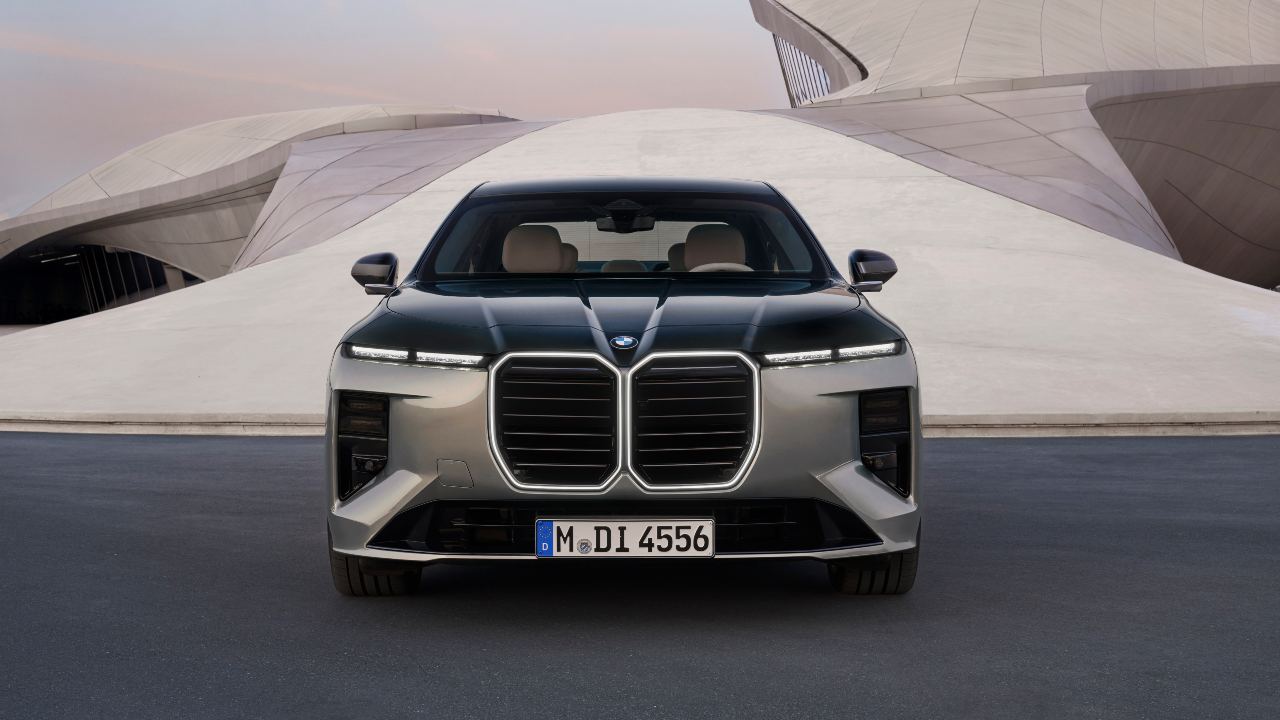
Many people assume BMW's roundel logo is a stylised spinning propeller from its aircraft-engine days. BMW itself only debunked this decades later, admitting the blue and white actually represent Bavaria's state colours.
BMW has built its identity around driving dynamics. Rear-wheel-drive underpinnings, precise steering and characterful engines remain constants across the range, from the 3 Series to the X3. Much of that comes down to weight balance. BMW has long pursued a near 50:50 front-to-rear split across its rear-wheel-drive models.
That focus on handling comes with a trade-off in ride comfort. Suspension on sportier trims, particularly M Sport, feels firmer over rough roads than most rivals. M sits alongside the standard range as BMW's performance division, responsible for sharp performance saloons such as the M3 and M5.
Audi
Key strength: Design
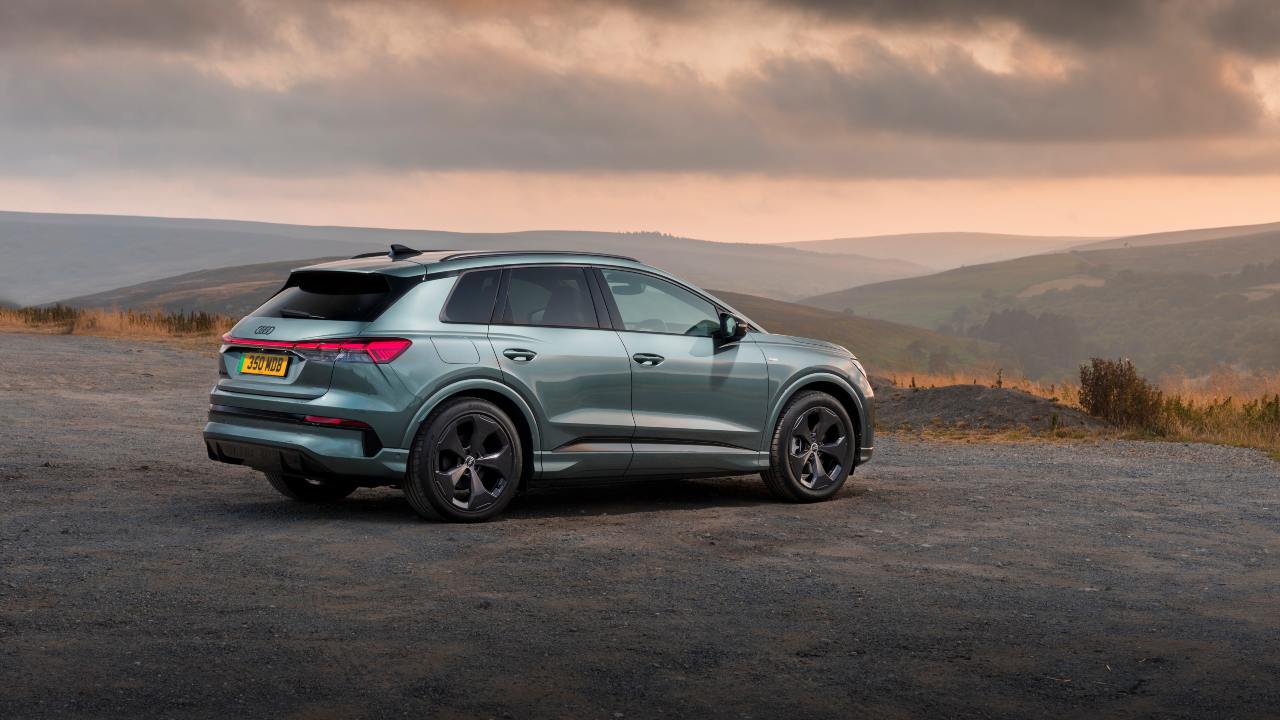
Audi built its reputation on design consistency and interior quality. Cabins favour clean lines, minimal clutter and some of the sharpest digital displays available, courtesy of Audi's Virtual Cockpit system.
Quattro all-wheel drive remains a signature feature across much of the range. It adds real confidence in poor weather and on country roads at speed.
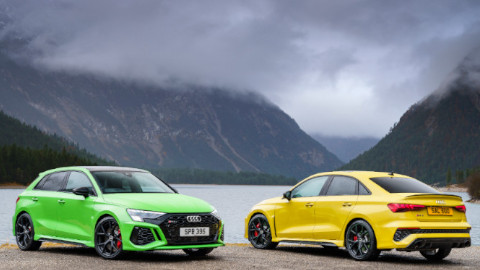
Audi Sport builds on that same foundation with RS and S models, from the RS 3 Sportback to the RS e-tron GT, delivering some of the most complete performance cars in the segment.
Many of the design and technology features we have touched on sit higher up the range, but entry-level cars come well-equipped as standard, too. However, buyers wanting the most premium of features usually need to add them from the options list, where costs can quickly rise.
Porsche
Key strength: Performance
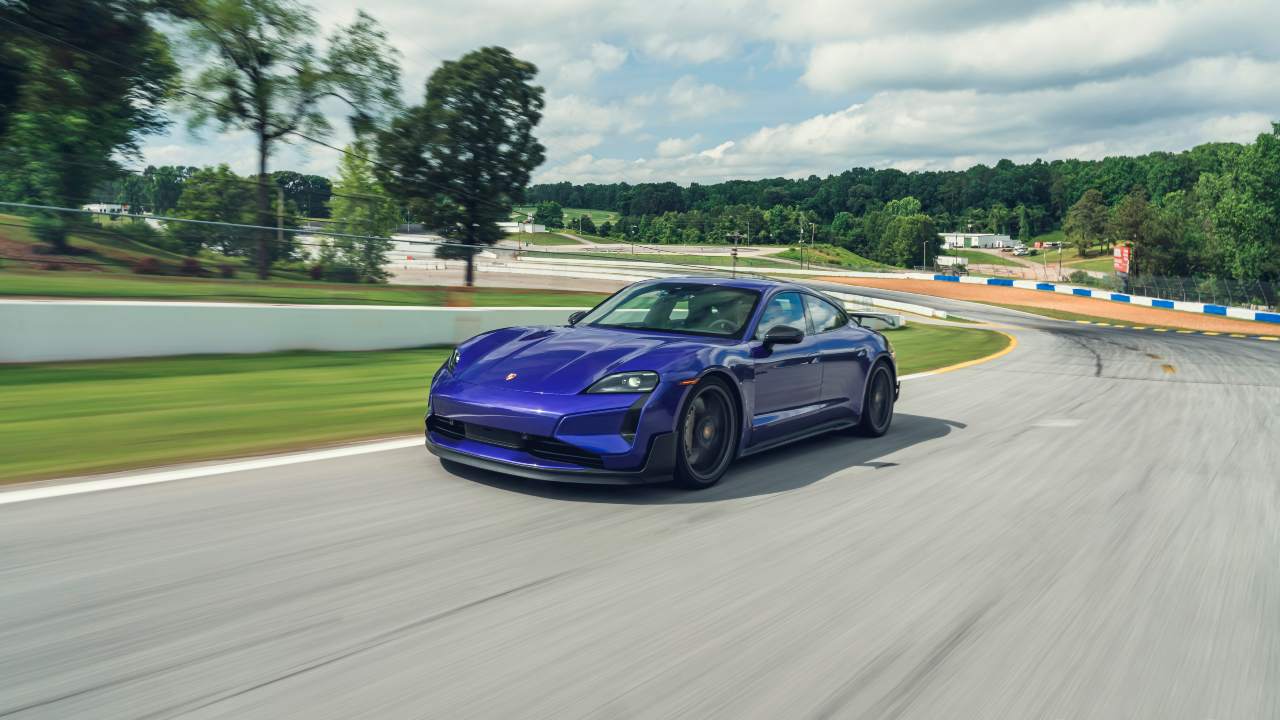
Porsche's greatest trick is making seriously fast cars so easy to live with day to day. The 911 and 718 cope just as well with the daily commute, and models like the Cayenne and Macan are well suited to the full range of family duties.
Porsche carries the strongest performance pedigree of any brand on this list, built on decades of motorsport success. The 19 overall wins at Le Mans stand as the record for any manufacturer, ahead of Audi and Ferrari. That pedigree comes with the highest entry price point in this group, even before factoring in Porsche's long options list.
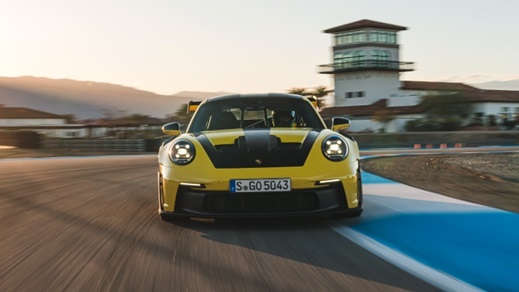
The GT and Motorsport divisions push further still, with models such as the GT3 and 911 Turbo aimed squarely at driving purists. The German marque has ventured into electric technology in recent years too, with the likes of the Taycan and Macan Electric quickly becoming firm favourites amongst families and business users alike.
Volkswagen
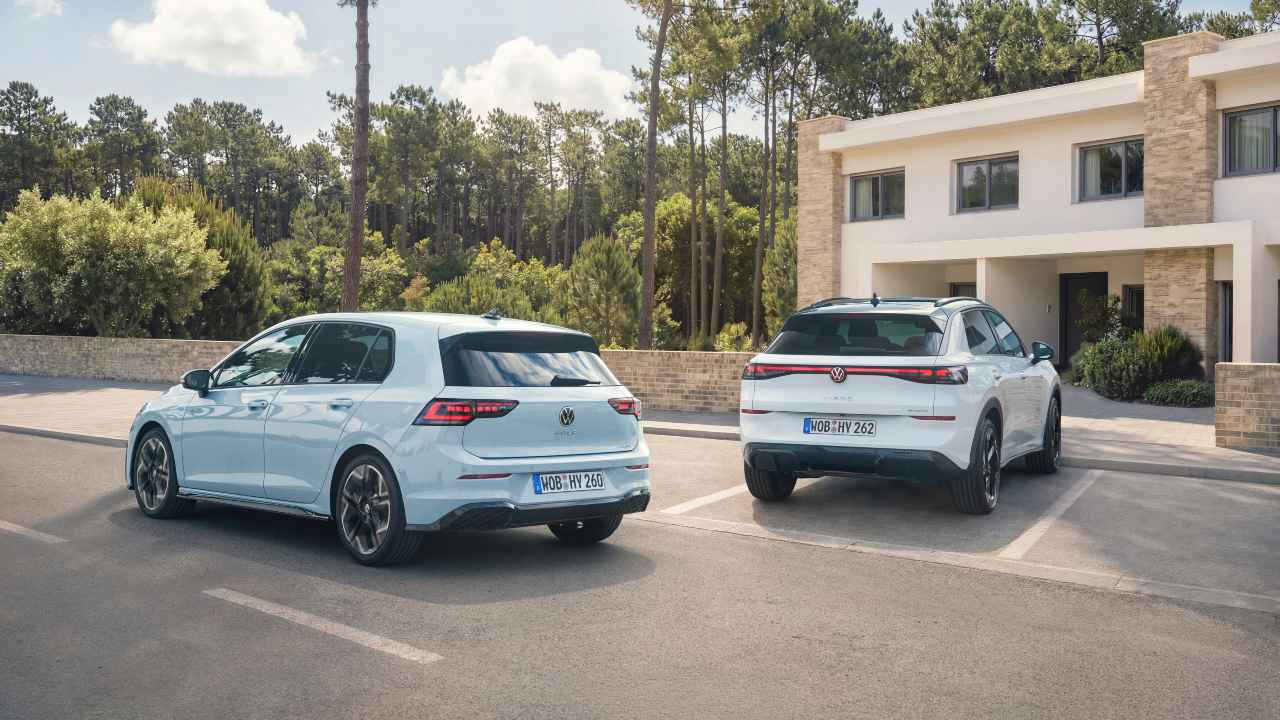
Key strength: Versatility
Volkswagen offers a vast range of models, spanning city cars, family SUVs and fully electric models under the ID. sub-brand.
Familiarity and value sit at the core of Volkswagen's appeal, with strong resale values and running costs that undercut most premium rivals. The Golf alone has sold more than 37 million units since 1974, making it the third best-selling car in history. The Beetle came before it. Designed by the same engineer behind Porsche, the Beetle stayed in production for 65 years and over 21.5 million units. No other single car design has matched that unbroken production run.
However, that familiarity has not translated into badge prestige. Volkswagen sits below Mercedes-Benz, BMW, Audi and Porsche in that respect. Volkswagen R narrows the gap on the performance side, most visible in the Golf R.
MINI
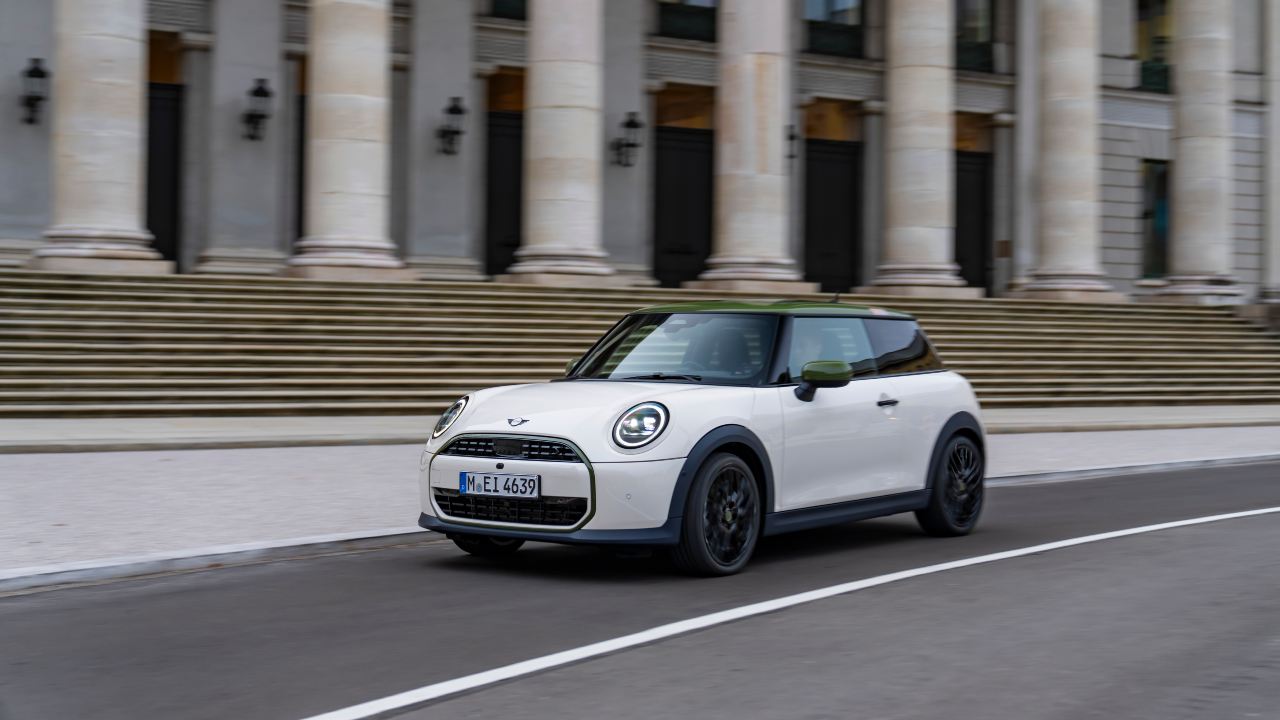
Key strength: Personalisation
Despite British heritage and manufacturing based in Oxford, MINI has operated under BMW ownership since 2000, making it German by ownership if not by birth.
Small as it was, the Mini Cooper S won the Monte Carlo Rally outright three times between 1964 and 1967, beating far bigger, more powerful rivals. A fourth win in 1966 was stripped away on a headlamp technicality after a clean 1-2-3 finish. Modern, BMW-era MINI models are significantly larger than the original, yet the engineers have worked hard to preserve the playful, go-kart handling.
MINI brings character and individuality, particularly across the Cooper and Countryman ranges. Customisation runs deep enough to offer over 10 million possible combinations of paint, trim and interior detailing, giving each car a distinct personality within a fairly compact footprint.
That same compact footprint is where space runs short. Rear seats and boot capacity trail larger rivals, particularly in the three-door Cooper.
smart
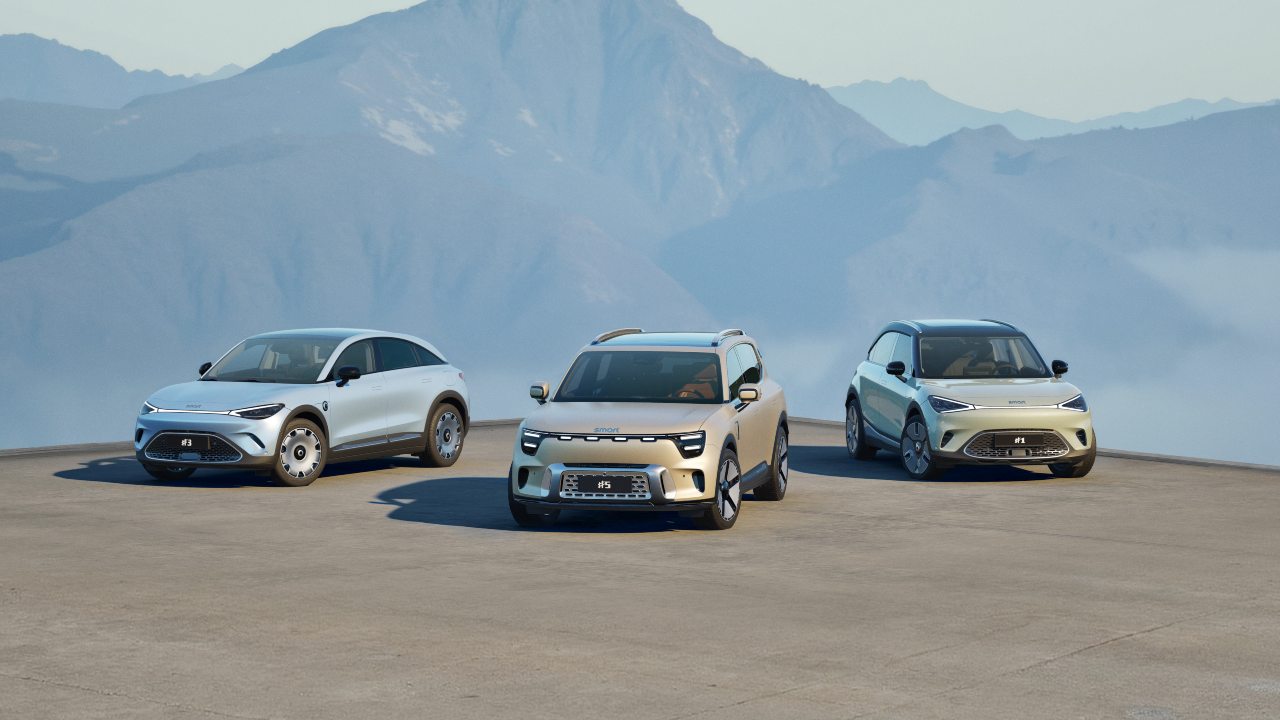
Key strength: Agility
The smart name is an acronym for Swatch Mercedes ART. The brand began as a joint venture between the Swiss watch brand Swatch and Mercedes-Benz's parent company, aiming to bring the same fresh design thinking to city cars that had already reshaped the watch industry.
smart focuses entirely on electric vehicles built for city driving, with a range of compact SUVs and hatchbacks such as the #1 and #3 designed around manoeuvrability and efficient charging. Even the #1, the smaller of the two, measures just over four metres nose-to-tail, with a tight turning circle suited to narrow city streets.
Longer, out-of-town journeys expose the main limitation. Range and comfort stay geared toward zipping around town rather than distance driving.
Partnership has defined smart from the outset, and that continues in performance too. Rather than a dedicated in-house division like AMG or M, smart's performance editions come through a long-standing collaboration with tuning house Brabus, dating back to 2003.
Which is the best?
Without wishing to sit on the fence, there is no definitive answer to this question. It all depends on the buyer's priorities.
In terms of luxury and comfort, Mercedes-Benz would be the strongest choice, with Porsche a strong runner-up for driver-focused luxury.
Performance superiority splits between two brands. BMW delivers unrivalled driving dynamics — the sharpest handling of any brand here. Porsche adds outright pace on top of that.
Design and cabin technology point toward Audi. Everyday practicality and value sit with Volkswagen. Urban driving suits smart and MINI equally well, though smart edges it for tighter city parking and MINI for presence and character.
If the priority is electric technology, three of these brands warrant particular attention. The Mercedes-Benz EQ range brings luxury and range together. The Porsche Taycan adds serious performance. smart operates as an EV-only brand built specifically around city driving. That being said, each of BMW, Audi, and Volkswagen have an EV offering that is well worth considering.
So, there is no single best German car brand overall. There is a best German car brand for each type of driver.
Frequently asked questions
German brands are well-known for dependability and reliability, but BMW ranks as the most reliable of the major German premium brands in various reports and user surveys. However, broadly speaking all German brands are well-known for being highly reliable vehicles and are often amongst the top performers across all brands.
Servicing costs generally exceed those of volume brands, reflecting the technology and engineering involved. Volkswagen and smart cost less to run than Mercedes-Benz, BMW, Audi or Porsche, but overall costs are not unreasonable. Manufacturer service plans typically help offset the extra cost.
Mercedes-Benz and Volkswagen stand out for families, whatever the budget. The Volkswagen Tiguan offers strong practicality and safety technology at a mainstream price point. The Mercedes-Benz GLC does the same within the premium segment. Audi's Q5 and BMW's X3 are worth a look too.
Porsche leads on raw pace, with the GT and Motorsport divisions building cars like the GT3 and 911 Turbo alongside the brand's motorsport programme. BMW M ranks best for handling precision, while Mercedes-Benz AMG rates highest for outright power.
AMG, M and Audi Sport are in-house performance divisions for Mercedes-Benz, BMW and Audi, respectively. AMG focuses on outright power. M is built around chassis balance from decades of track development. Audi Sport majors on traction, drawing on quattro all-wheel drive and rally pedigree.
The premium generally buys real advantages, from proven safety technology to durable materials and stronger resale values than value-oriented cars. Whether it is worth paying will often depend on ownership length. Buyers keeping a car for years tend to see the clearest return.
It is now, yes. MINI has operated under BMW ownership since 2000, despite British heritage and manufacturing based in Oxford.
Not any more. Vauxhall's ownership history spans several countries, including Germany, through its former parent company, Opel. The brand now sits under Stellantis, alongside marques from France, Italy and the United States.
Find Your Perfect German Car at Stratstone
German cars are often grouped together, but they have never been built with the same intent. Mercedes-Benz, for example, chases engineering excellence. BMW pursues driver involvement. Porsche obsesses over performance, while MINI champions character and agility above all else.
Ready to see how these brands compare in person? Browse Stratstone's latest German car brand stock and book a test drive today at your nearest Stratstone retailer to find the model that best fits your driving style.